Embedded hardware design teams constantly face choices between full single‑board computers and compact system‑on‑module solutions. For engineers building industrial IoT devices, machine vision hardware, smart display equipment and edge AI systems, Rockchip SOM modules have become one of the most widely‑adopted building blocks in modern embedded projects. This article breaks down what a Rockchip SOM module is, its core value, mainstream hardware models, key differences from development boards, and practical guidance for your product design.
What Exactly Is a Rockchip SOM Module
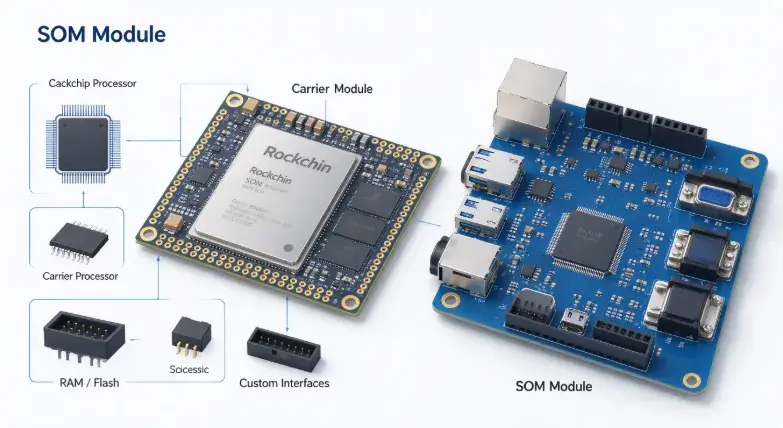
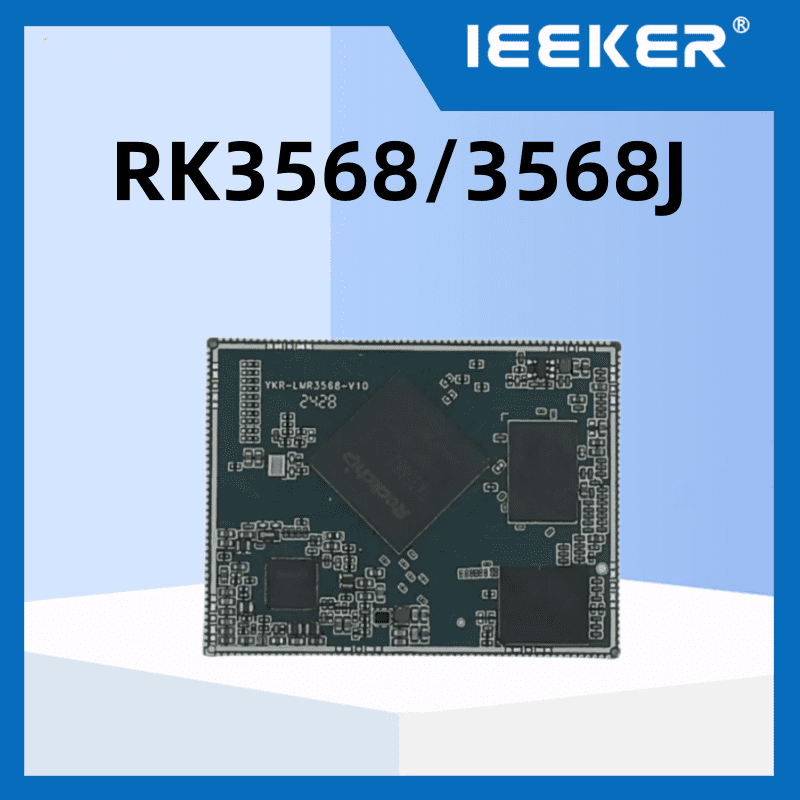
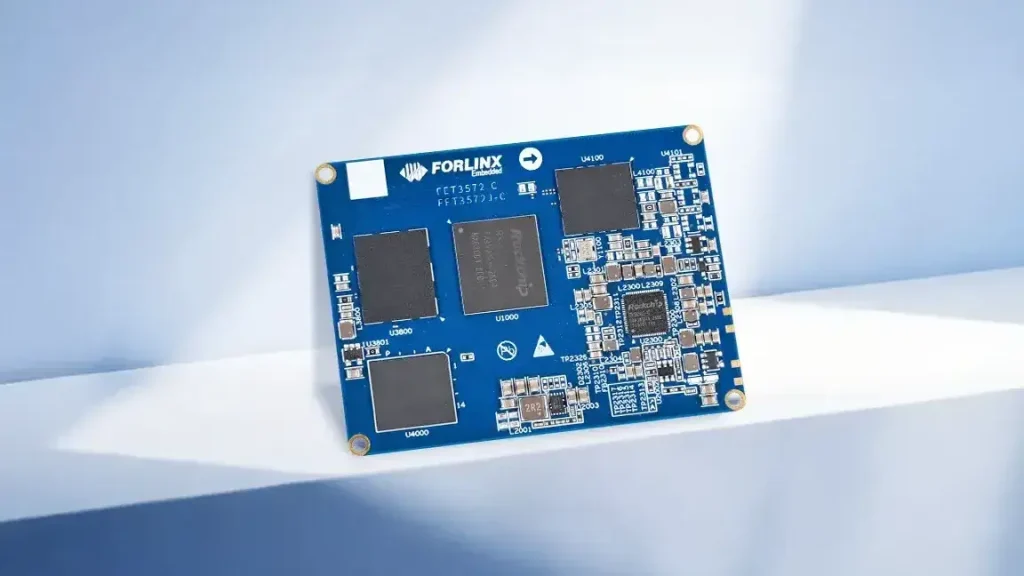
SOM stands for System on Module. A Rockchip SOM module is a compact circuit board that integrates Rockchip system‑on‑chip processor, RAM, flash storage, power management unit and core peripheral circuits. Instead of designing the entire core hardware from scratch, developers only need to create a simple carrier board to match project‑specific interfaces.
Unlike a complete ready‑to‑use development board, SOM focuses on core computing resources. It does not bring all external ports out directly. All signal pins are exported via high‑density board‑to‑board connectors. Designers can customize carrier boards with Ethernet, USB, RS485, CAN bus, audio and display ports according to end‑product requirements.
For mass‑production scenarios, this architecture brings obvious advantages. You avoid repeated work of high‑complexity core circuit layout. Most hardware debugging work is completed by the SOM manufacturer. Product teams can shorten hardware R&D cycles and lower risks of circuit design errors. This explains why Rockchip SOM modules are popular among OEM, ODM and system integrators across many industries.
Mainstream Rockchip SOM Module Options
Rockchip releases multiple processors covering low‑power lightweight tasks up to high‑performance edge AI computing. Different SOM modules target distinct cost and performance brackets.
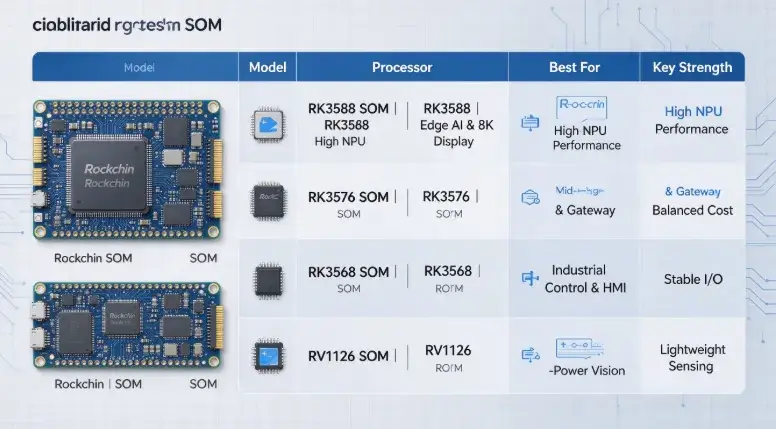
| SOM Model | Target Processor | Typical Application Scenarios | Core Strength |
|---|---|---|---|
| RK3588 SOM | RK3588 | High‑end edge AI, 8K display, multi‑camera machine vision | Powerful NPU performance, rich multimedia decoding |
| RK3576 SOM | RK3576 | Mid‑range edge vision, industrial gateway, smart kiosk | Balanced performance and cost, good power efficiency |
| RK3568 SOM | RK3568 | Industrial control, IoT gateway, HMI human‑machine interface | Stable industrial‑grade performance, rich IO support |
| RV1126 SOM | RV1126 | Low‑power vision device, IP camera, lightweight edge sensing | Low power consumption, dedicated vision processor |
| RV1126B SOM | RV1126B | Battery‑powered embedded vision equipment | Optimized for low‑energy running environment |
Each model fills a different market niche. RV1126 and RV1126B are oriented toward cost‑sensitive vision projects. RK3568 takes charge of mainstream industrial control deployments. RK3576 serves as mid‑high‑end general‑purpose hardware. RK3588 handles heavy‑load AI computing and ultra‑high‑resolution multimedia processing.
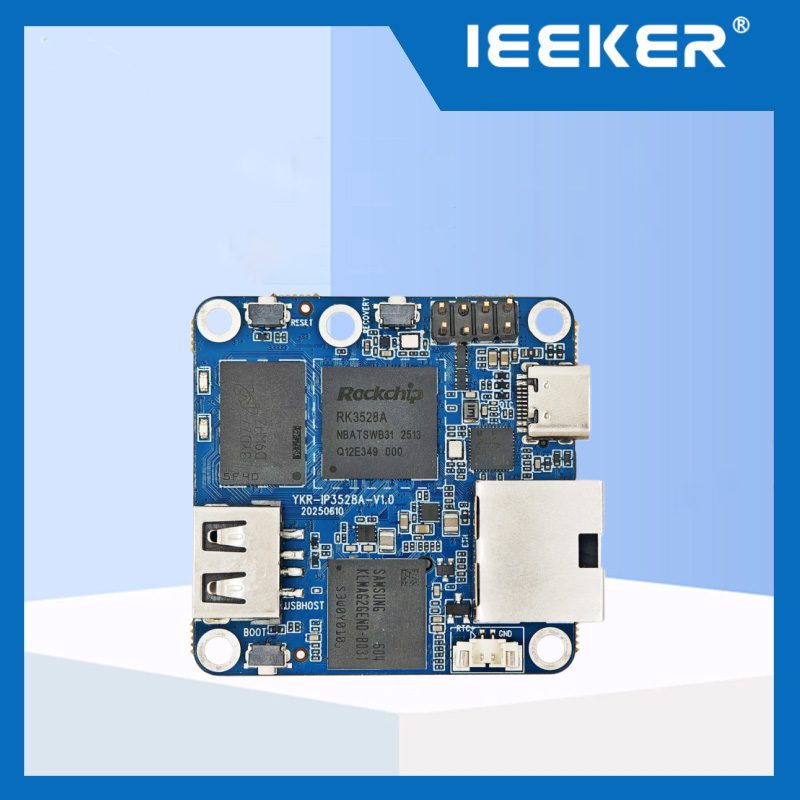
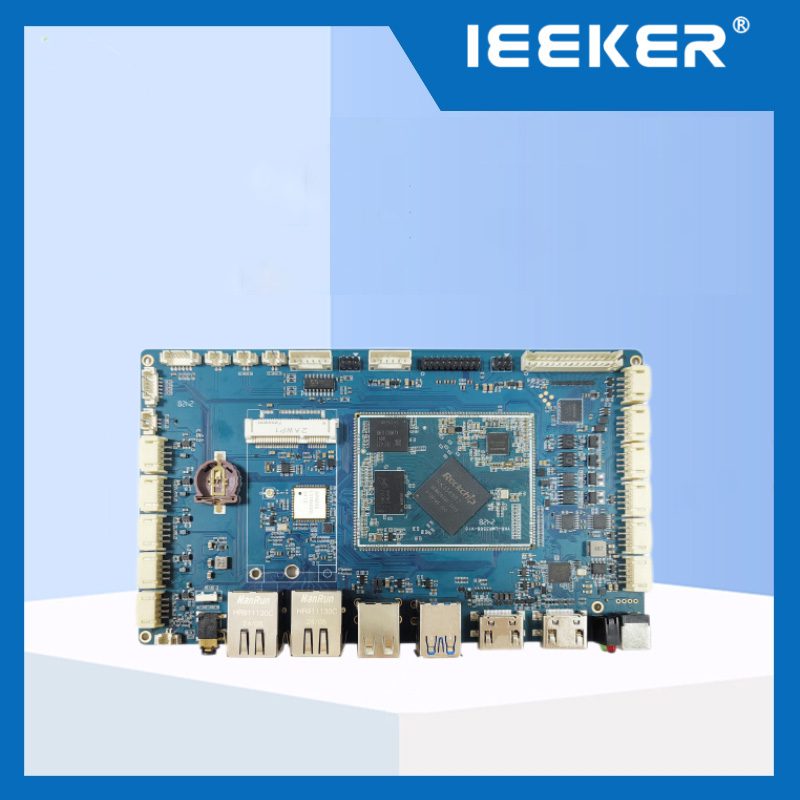
Many customers often confuse SOM modules with off‑the‑shelf development boards. Development boards such as Forlinx OK3568‑C and MYC‑LR3568 are evaluation platforms. They are built based on corresponding SOM modules, with complete carrier boards, pre‑wired interfaces, heat sinks and demo firmware. Their main purpose is for early‑stage prototype verification and software development. They are generally not directly used for large‑volume mass production.
Rockchip SOM vs Development Board When To Choose Which
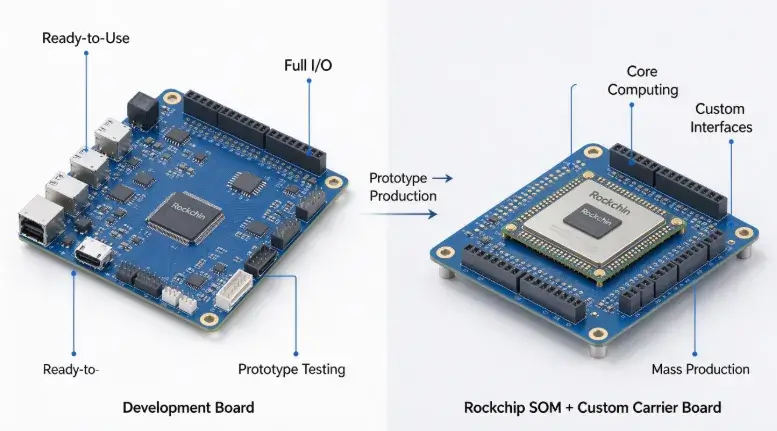
It is critical to distinguish SOM modules and Rockchip development boards at the early project phase. Misselection will cause extra cost and schedule delays.
Rockchip development boards are fully assembled evaluation kits. All interfaces are ready for plug‑and‑play. Software engineers can start writing and testing code immediately after unboxing, without any carrier‑board design work. They fit proof‑of‑concept, algorithm validation, short‑term prototype testing. However, development boards are rarely suitable for formal mass production. Their physical size, interface layout and heat dissipation may not satisfy enclosure requirements for final products.
Rockchip SOM modules separate core computing hardware from application‑specific carrier hardware. You have full freedom to define mechanical size, external interfaces and signal layout on your own carrier board. You can adjust hardware to fit custom enclosures for industrial equipment. When you need to iterate product versions, you can keep using the same SOM while only modifying the carrier board. This brings better long‑term hardware maintainability for mass‑produced devices.
The standard workflow for most projects looks like this. First use a Rockchip development board to finish software validation and function proof. After confirming the solution is feasible, switch to the matching SOM module and start carrier board design for formal product mass production. This hybrid approach balances fast prototype iteration and stable commercial deployment.
Real‑World Application of Rockchip SOM Modules
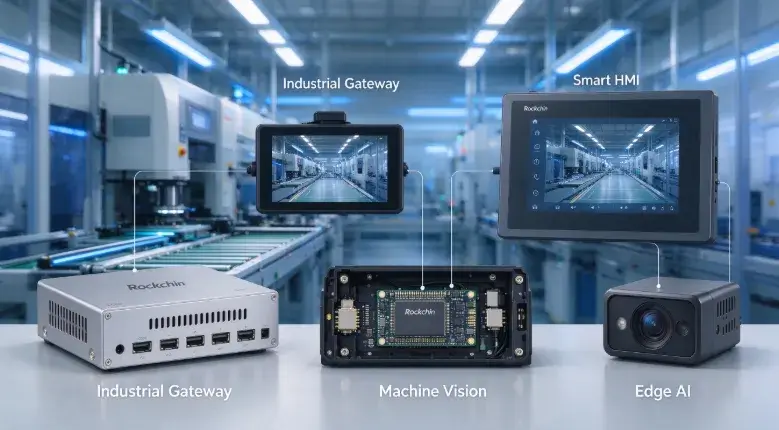
Rockchip SOM modules show strong adaptability across countless vertical industries.
Industrial control and HMI equipment is one of the largest application fields. RK3568 SOM is widely deployed on industrial touch screens, field monitoring terminals and factory gateway hardware. It can run Linux or Android systems stably under wide‑temperature working conditions.
Edge machine vision is another major scenario. RV1126 SOM and RV1126B SOM are widely adopted for smart cameras and visual detection terminals. RK3576 SOM and RK3588 SOM handle multi‑channel image collection and local AI inference for defect inspection equipment.
Smart retail and self‑service terminals also rely heavily on Rockchip SOM hardware. Kiosks, vending machine controllers and digital signage use SOM modules to achieve flexible display control and network data processing.
In addition, smart medical auxiliary equipment, smart transportation terminals and battery‑powered embedded devices also select corresponding Rockchip SOM modules according to power consumption and computing performance needs.
Frequently Asked Questions
Q1 What operating systems can Rockchip SOM modules support
A: Most Rockchip SOM modules support mainstream open‑source systems including Linux, Buildroot and Android. Some versions also offer Debian SDK. The actual system support depends on chip model and vendor‑provided BSP firmware. Before purchasing, confirm whether the BSP matches your software stack.
Q2 Can I directly use SOM module without designing carrier board
A: No. SOM only contains core computing circuitry. It cannot work independently. You need either a custom‑designed carrier board or an off‑the‑base carrier board provided by the supplier. Development boards essentially are SOM plus ready‑made carrier board assembly.
Q3 What is the difference between RV1126 SOM and RV1126B SOM
A: RV1126B is the optimized iteration version of RV1126. It keeps most features while making adjustments on power consumption and peripheral support. It is more suitable for battery‑driven embedded vision hardware. Always check chip datasheet for exact parameter gaps.
Q4 Should I pick RK3568 SOM or RK3576 SOM for industrial gateway
A: If your project focuses on data forwarding, serial port acquisition and basic network functions, RK3568 SOM meets demands and controls cost. If you need to add local AI analysis, multi‑stream video decoding tasks, RK3576 SOM offers higher overall performance.
Q5 Are Rockchip SOM modules suitable for mass production
A: Yes. Qualified suppliers provide long‑term supply support for SOM hardware. Compared with full self‑design core circuit, using SOM can greatly reduce hardware risk and shorten R&D cycle. You should confirm supply cycle, lifecycle and BSP technical support before formal project launch.
Final Thoughts
Rockchip SOM modules deliver a proven way for embedded teams to balance performance, development speed and commercial‑grade reliability. Instead of starting hardware design from zero, developers leverage pre‑validated core computing modules and focus energy on application‑specific carrier‑board and software work.
Choosing among RK3588 SOM, RK3576 SOM, RK3568 SOM, RV1126 SOM or RV1126B SOM relies on your project requirements for computing power, NPU capability, power draw and budget. Combine early‑stage verification with Rockchip development boards, then migrate to SOM plus custom carrier‑board for mass‑production hardware. This path has been validated by thousands of industrial embedded projects.
If you are comparing different embedded hardware solutions, make sure to evaluate BSP support, long‑term component supply and vendor technical service besides hardware parameters alone. Those factors heavily affect the success of your whole product lifecycle.