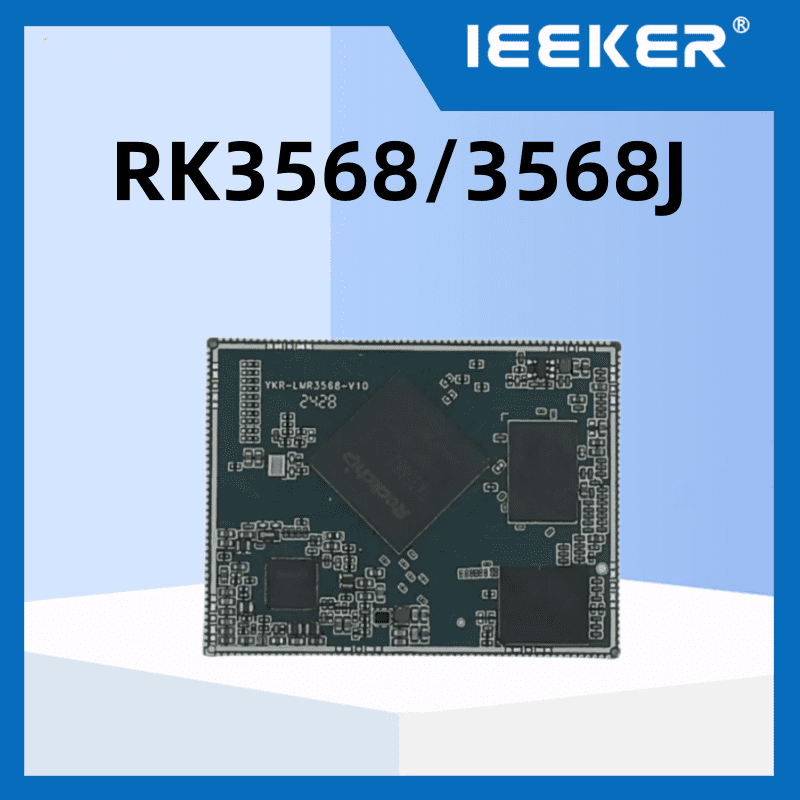
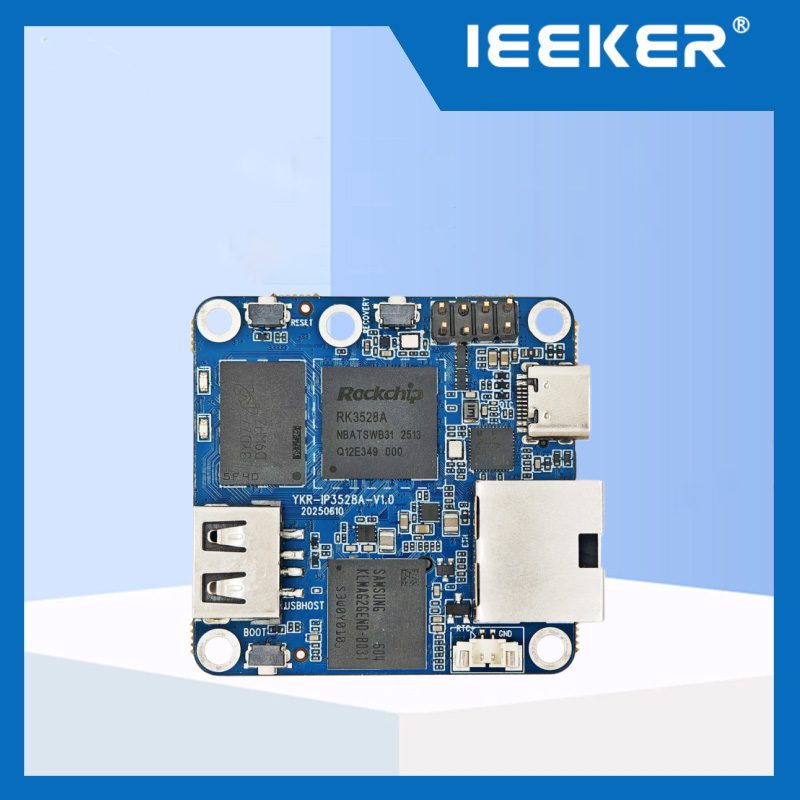
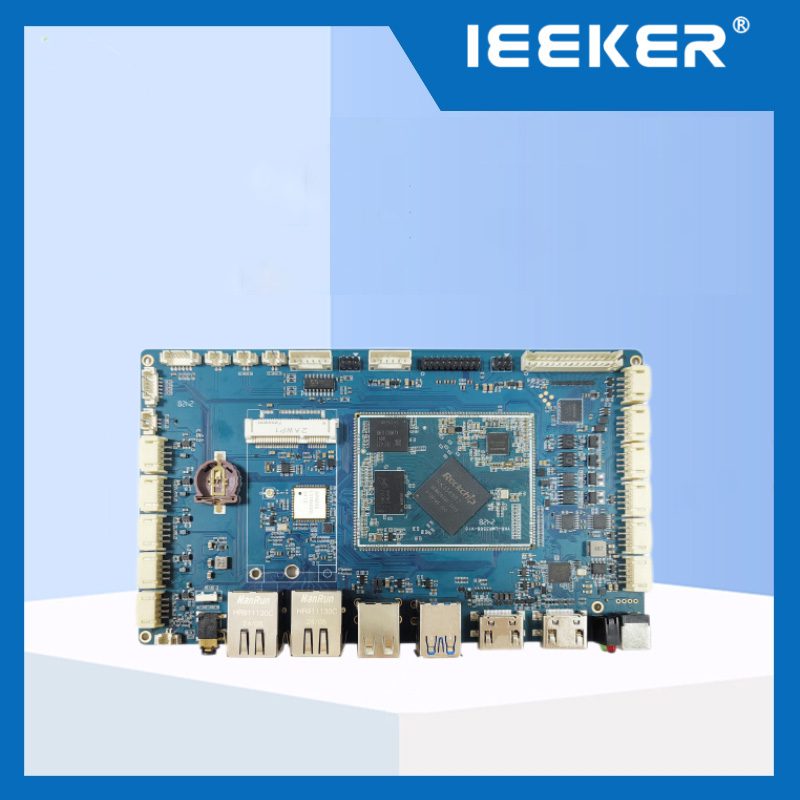
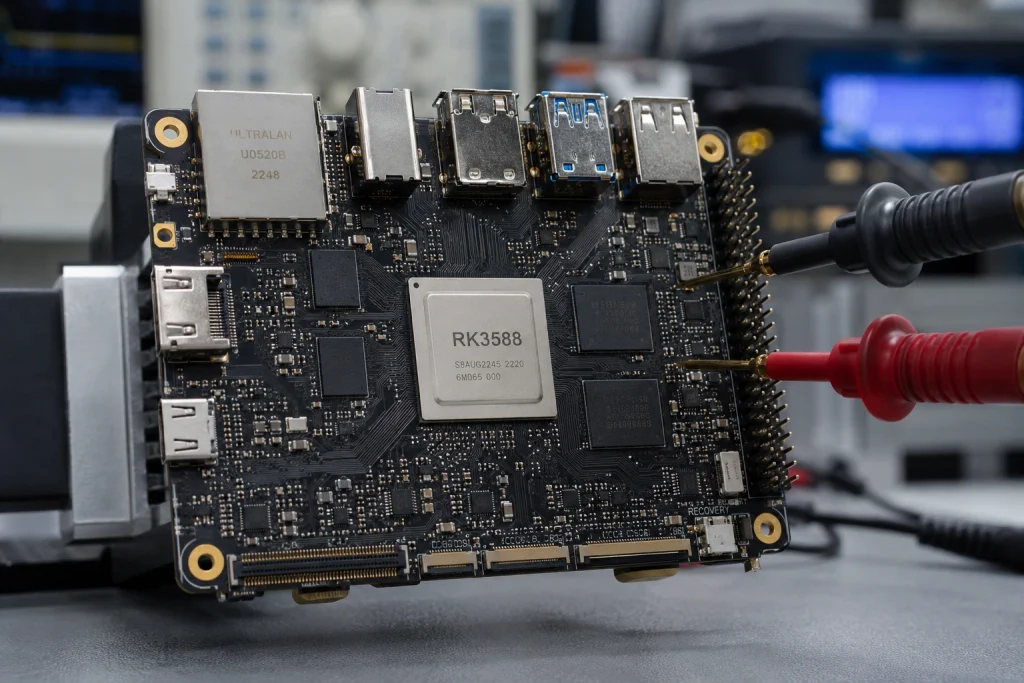
An Embedded Linux Board is a purpose-built single-board computer (SBC) designed to run a Linux-based operating system for mission-critical industrial, medical, or IoT applications. These platforms leverage high-performance Arm-based architectures to provide the computational power and environmental resilience required where standard consumer hardware often fails
☑ Quick Insights: At a Glance
Hardware Foundation: Powered by high-performance SoCs such as RK3588, RK3568, or NXP i.MX series.
Software Ecosystem: Flexible OS support including Ubuntu, Debian, and professional-grade Yocto Project builds.
Industrial Grade: Engineered for 24/7 operation in extreme temperatures (-40°C to 85°C).
Customization: Extensive support for Industrial PCBA Customization to meet specific physical and electrical requirements.
Longevity: Guaranteed supply lifecycles ranging from 7 to 15 years.
Core Architecture: What Makes an Embedded Linux Platform?
The Embedded Linux Board serves as the intelligence layer for modern automation. Unlike simple microcontrollers, these boards handle complex tasks like edge AI processing, multi-display 4K output, and high-speed networking within a single, compact footprint.
Hardware Backbone: Beyond the CPU
An Industrial Single Board Computer (SBC) is defined by its robustness. While consumer boards focus on low cost, industrial solutions prioritize signal integrity and thermal efficiency. The hardware stack typically includes an advanced System on Chip (SoC), industrial-grade LPDDR4/4x RAM, and high-endurance eMMC storage. For example, the RK3588 Single Board Computer utilizes an 8nm process to deliver octa-core performance while maintaining a thermal profile suitable for fanless enclosures.
Software Ecosystem: Why Linux Rules the Industry
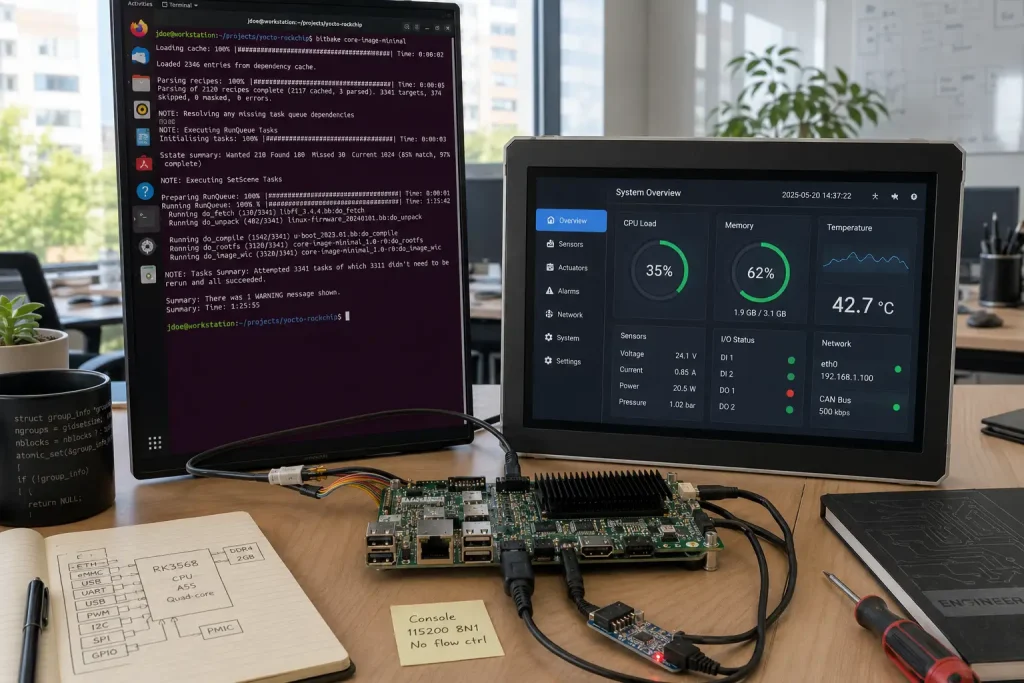
A comprehensive Embedded Platform Guide highlights the necessity of software flexibility. While “Mainline” distributions like Ubuntu are excellent for rapid development, many B2B projects require the Yocto Project. This framework allows engineers to build a custom, “lean” Linux distribution that includes only the necessary drivers and applications, significantly reducing the security attack surface and optimizing boot times.
Factory Perspective: From PCBA Design to SMT Assembly
With over 15 years in the development board industry, I have seen firsthand the gap between a “lab prototype” and a “production-ready” product. Stability isn’t just designed; it’s manufactured.
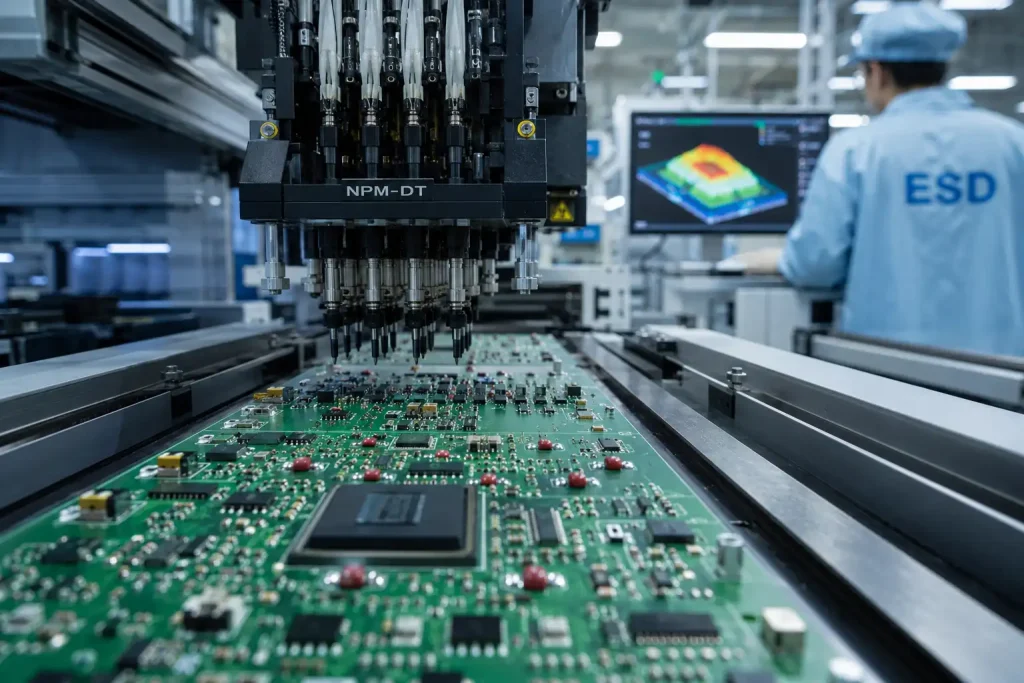
During a mass-production run of RK3588 core modules, we encountered a 5% failure rate during cold-start testing at -20°C. By diving deep into our SMT (Surface Mount Technology) line, we identified the culprit: the Power Management IC (PMIC) pads. The ultra-fine pitch of the pins meant that standard solder paste application was inconsistent under thermal contraction.
We immediately redesigned the stencils using laser-cutting and electro-polishing and implemented 100% SPI (Solder Paste Inspection). Furthermore, for industrial reliability, we utilized high-strength red glue to secure heavy components like inductors and connectors. This rigor ensures our boards survive 24/7 in harsh outdoor environments.
PCBA Layout & Signal Integrity (SI)
Industrial PCBA Customization involves complex impedance control for high-speed interfaces like DDR4, PCIe, and MIPI. For high-performance SoCs, we utilize 8 to 12-layer PCB stacks to manage electromagnetic interference (EMI). This ensures that the Embedded Linux Board meets strict global standards for industrial noise immunity.
SMT Production Quality Control
Professional assembly requires more than just picking and placing. We employ X-Ray inspection for all BGA (Ball Grid Array) components to ensure no hidden solder voids exist. Combined with Automated Optical Inspection (AOI), this guarantees that every board leaving the factory is structurally sound.
Real-World Case Study: Transforming Concepts into Hardware
Project: Industrial Panel PC with Side I/O Design
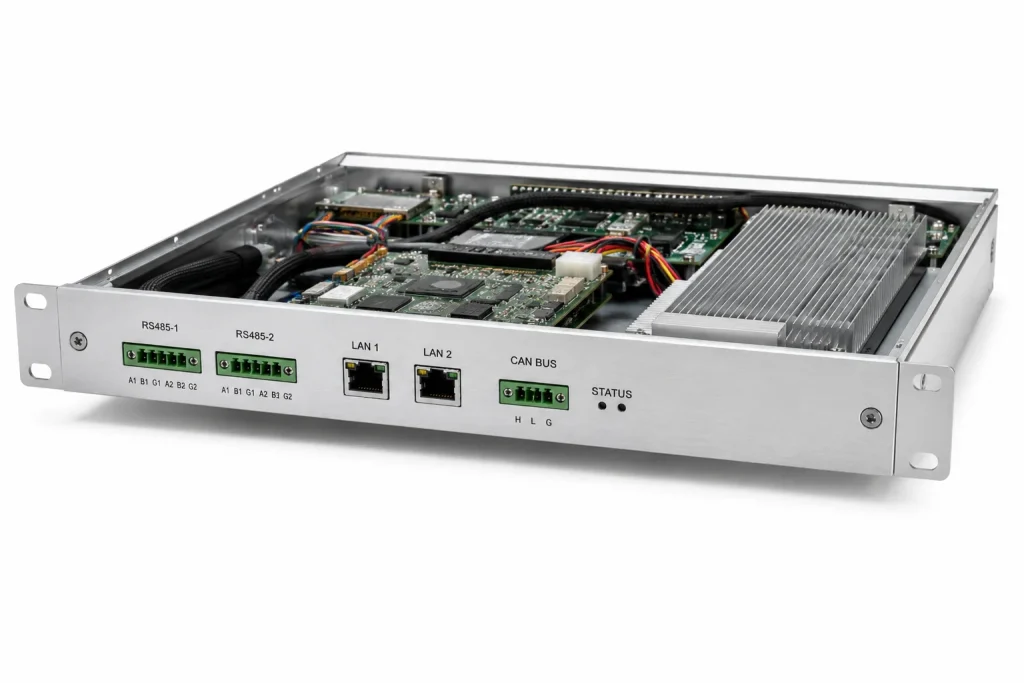
In 2024, we collaborated with a smart city operator needing an Industrial Single Board Computer (SBC) for a slim 1U gateway. Standard boards with rear-facing ports created excessive cable bulk, leading to thermal throttling.
According to the [Industrial Computing Market Growth 2026] data, demand for space-optimized hardware is growing at 12% annually. We addressed this by developing a custom Smart City IoT Gateway Case featuring a unique “Side I/O” layout.
The Results:
Space Saving: Reduced internal cabling volume by 60%.
Thermal Performance: Core temperature stabilized at 12°C lower than standard layouts under full load.
Field Reliability: Deployed 2,000+ units with an Annual Failure Rate (AFR) of less than 0.3%.
Decision Guide: Selecting the Right Platform
☑ Comparison: Consumer vs. Industrial SBCs
| Feature | Consumer SBC (e.g., Raspberry Pi) | Industrial SBC (ieeker) |
| Operating Temp | 0°C to 50°C | -40°C to 85°C |
| Supply Longevity | 2-3 Years | 10+ Years |
| I/O Customization | None (Fixed) | High (CAN, RS485, Side I/O) |
| Durability | Low (Commercial Components) | High (Industrial Grade + Red Glue) |
| Support | Community Forums | Direct Engineering Consultation |
How to Deploy Your First Embedded Linux Project?
☑ Step-by-Step Implementation
Requirement Audit: Define computational needs (AI TOPS, video decoding) and physical I/O requirements.
Hardware Selection: Choose an SoC like ARM-based Embedded Solutions (RK3568/RK3588) based on power efficiency.
BSP Preparation: Obtain the Board Support Package and configure the Linux kernel for your specific peripherals.
Customization: Partner for Industrial PCBA Customization to optimize for your specific enclosure.
Validation: Perform rigorous high-low temperature and vibration testing before deployment.
FAQ: Common Challenges in Embedded Development
Q: Why choose the Yocto Project over Ubuntu?
A: Yocto provides a minimal OS footprint, which improves boot speed and reduces security risks by excluding unnecessary packages found in standard distros.
Q: What are the benefits of ARM-based Embedded Solutions?
A: ARM architecture offers superior performance-per-watt, enabling high-performance fanless designs that are impossible with most x86 processors.
Q: Can you customize the board layout for small enclosures?
A: Yes, we specialize in moving ports to the side or front (Side I/O) and resizing the PCBA to fit specific industrial housings.
Q: Do you support long-term supply for 10+ years?
A: Absolutely. We select chips from silicon vendors with guaranteed industrial longevity roadmaps to prevent costly redesigns.
“The team at ieeker didn’t just sell us a board; they provided an engineering solution. Their focus on SMT quality and custom layouts solved our thermal issues overnight.” — Project Manager, Industrial Automation Co.
Global Compliance: ISO 9001:2015 Certified, CE, FCC, RoHS. Ready to start? Get a Quote & Free Technical Consultation