
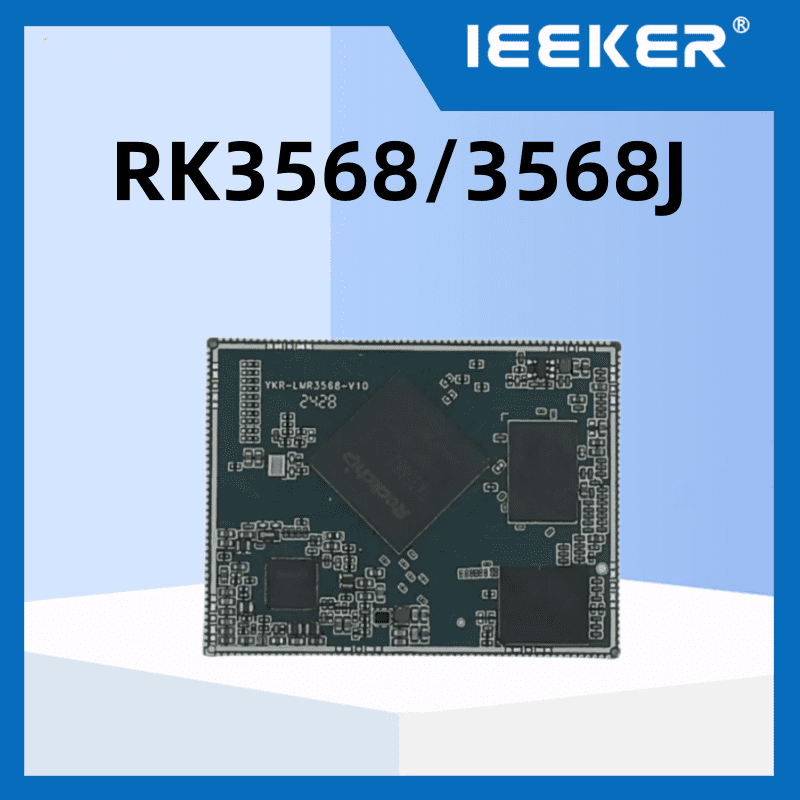
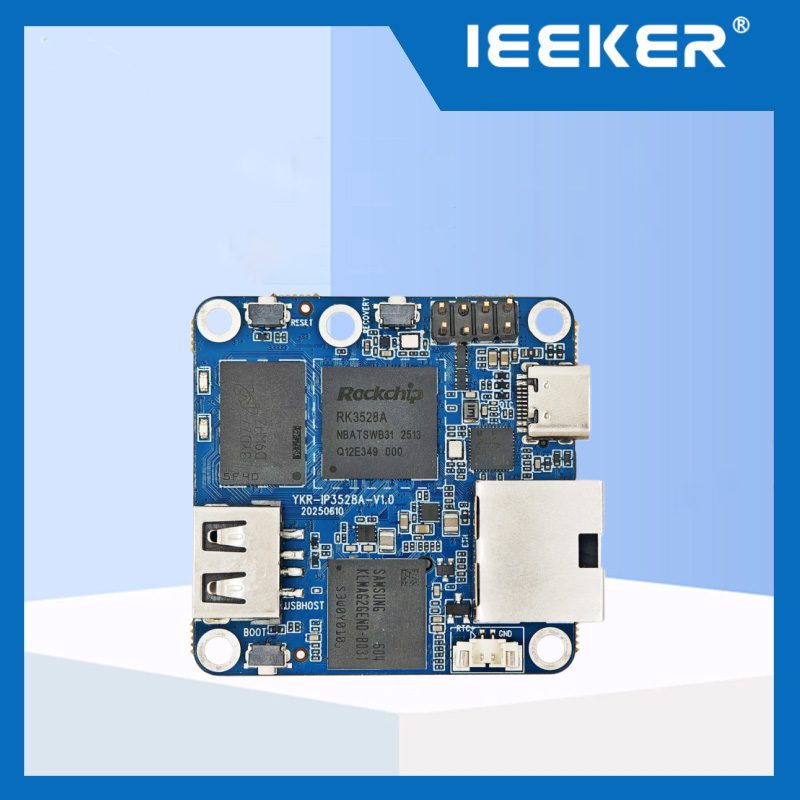
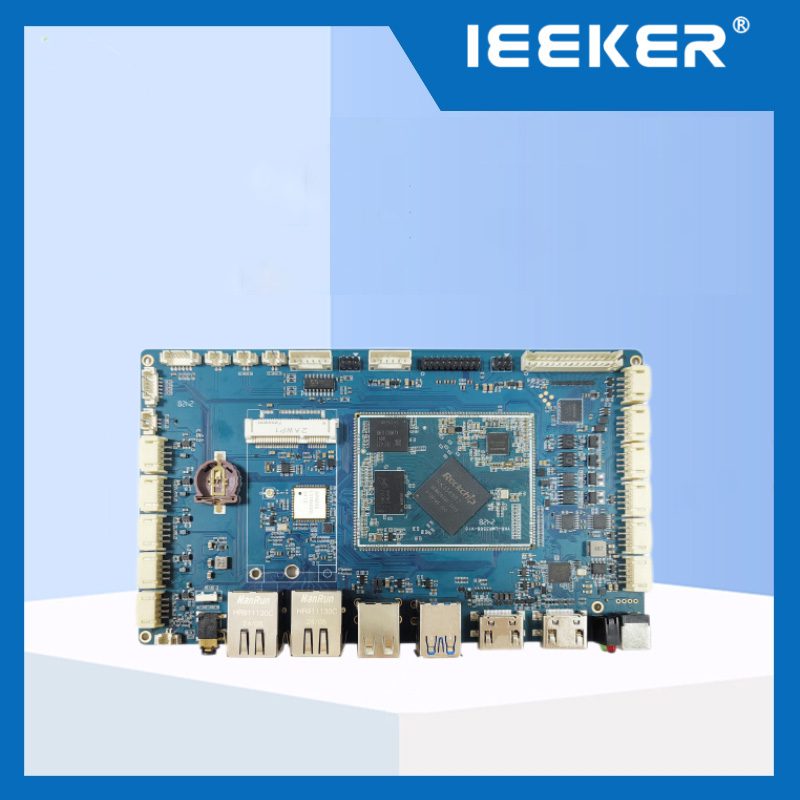
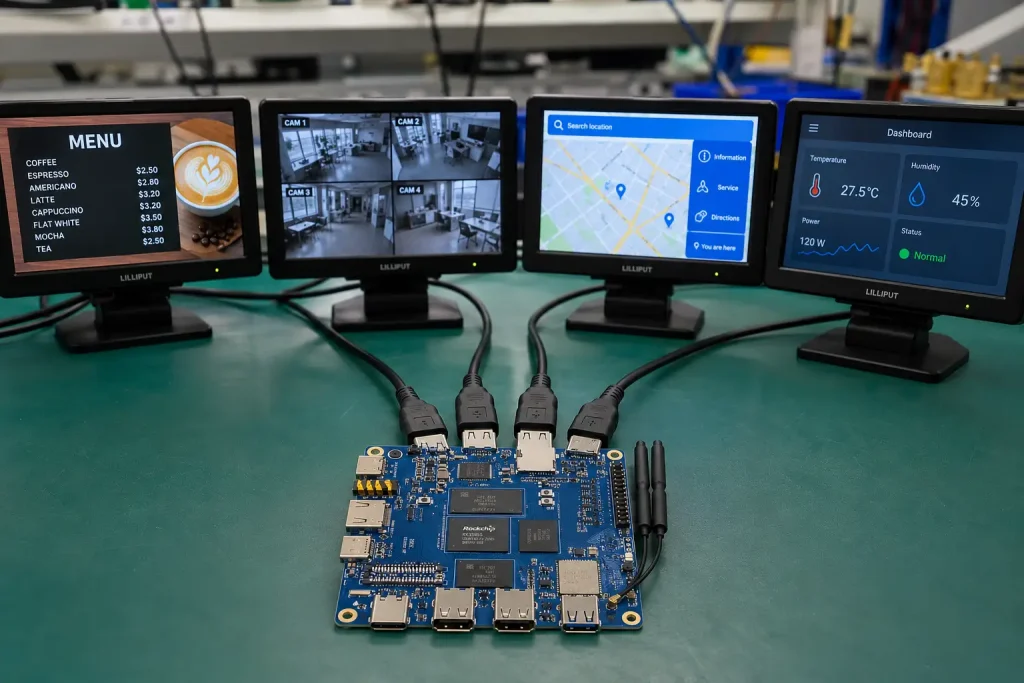
Kurze Antwort: Der ieeker YKR-3588S ist ein RK3588S All-in-One-SBC Aufbauend auf dem YKR-CR3588-V1-Kernboard – mit derselben 6-TOPS-NPU, Octa-Core-CPU und 8K-Video-Engine wie das Flaggschiff RK3588, vereint in einem kompakten Einplatinen-Design mit unabhängigen Display-Ausgängen für vier Bildschirme. Es wurde speziell für Anwendungen entwickelt, bei denen die Baugröße der Platine und die Kosten pro Einheit ebenso wichtig sind wie die Leistung: Digital-Signage-Player, NVR-Systeme, interaktive Kiosksysteme und industrielle Multi-Display-Panels. Wenn Ihr Produkt mehr als einen Bildschirm benötigt, hochauflösende Videos decodiert oder KI-Inferenz am Edge durchführt – ohne die PCIe/SATA-Erweiterungsmöglichkeiten einer Full-Size-Platine –, dann ist dies die richtige Platinenklasse für Sie.
Die meisten Entwicklerteams greifen automatisch auf ein Entwicklungsboard in voller Größe zurück, sobald ein Projekt „echte“ Rechenleistung benötigt – mehr Kerne, mehr Arbeitsspeicher, mehr E/A-Anschlüsse. Doch ein großer Teil der Produktionsanwendungen nutzt den Großteil dieser E/A-Anschlüsse gar nicht. Ein RK3588S All-in-One-SBC wurde speziell für diese Lücke entwickelt: Produkte, die eine CPU-, GPU- und NPU-Leistung auf Flaggschiff-Niveau benötigen, deren Platine jedoch klein genug ist, um in ein schlankes Digital-Signage-Gehäuse, ein kompaktes NVR-Gehäuse oder einen Kiosk mit begrenzter Einbautiefe zu passen.
Dieser Leitfaden beschreibt, welche Vorteile der YKR-3588S für vier spezifische Anwendungskategorien bietet – Digital Signage, NVR-/Mehrkamerasysteme, interaktive Kiosksysteme und industrielle Multi-Display-Panels – sowie die Display-Architektur, die Videopipeline und die NPU-Fähigkeiten, die ihn zur idealen Lösung für diese kompakten, displayintensiven Einsatzszenarien machen.
Wichtigste Erkenntnisse
- Der All-in-One-SBC YKR-3588S RK3588S unterstützt bis zu 4 unabhängige Bildschirmausgänge über eine einzige kompakte Platine – und deckt damit die meisten Anforderungen im Bereich der Multi-Screen-Digitalbeschilderung und in Kontrollräumen ab, ohne dass eine zweite Platine erforderlich ist
- Die Videodekodierung mit 8K bei 60 fps und die Videokodierung mit 8K bei 30 fps entsprechen der vollen Leistungsfähigkeit der Multimedia-Engine des RK3588 – die Videopipeline ist bei der S-Variante nicht eingeschränkt
- Die 6 TOPS NPU (mit derselben RKNN-Architektur wie der RK3588) übernimmt die Objekterkennung und -analyse direkt auf dem Signage- oder NVR-Board, ohne dass ein separater KI-Beschleuniger erforderlich ist.
- Mit bis zu 16 GB LPDDR4X-Speicher und einer Mehrkanal-1080p-Decodierung (32 Kanäle) eignet es sich für NVR-Implementierungen mittlerer Größe, ohne dass dabei die SATA-lastige Speicherkonfiguration einer vollständigen RK3588-Platine erforderlich ist.
- Die kompakte Grundfläche der Kernplatine (YKR-CR3588-V1) mit den Maßen 17 × 17 mm reduziert die Anforderungen an die Gehäusetiefe – besonders relevant für flache Signage-Player und schlanke Kiosk-Designs
- Für Anwendungen, die NVMe-SSD-Speicher, MIPI-CSI-Eingänge für mehrere Kameras oder 32 GB RAM oder mehr erfordern, ist das Standardmodell YKR-RK3588 nach wie vor die bessere Wahl – in unserem Vergleich zwischen RK3588 und RK3588S finden Sie alle Informationen, die Sie für Ihre Entscheidung benötigen.
- Dual-Gigabit-Ethernet sowie WLAN 6 und Bluetooth 5.0 decken die Standard-Netzwerkkonnektivität für cloudverwaltete Digital-Signage-Flotten und den Fernzugriff auf NVRs ab
- Sowohl die Android 12- als auch die Linux-BSP-Unterstützung sind validiert, sodass Teams aus den Bereichen Digital Signage/Kiosksysteme (Android-First) und NVR/Industrie (Linux-First) auf eine einzige Hardwareplattform zurückgreifen können
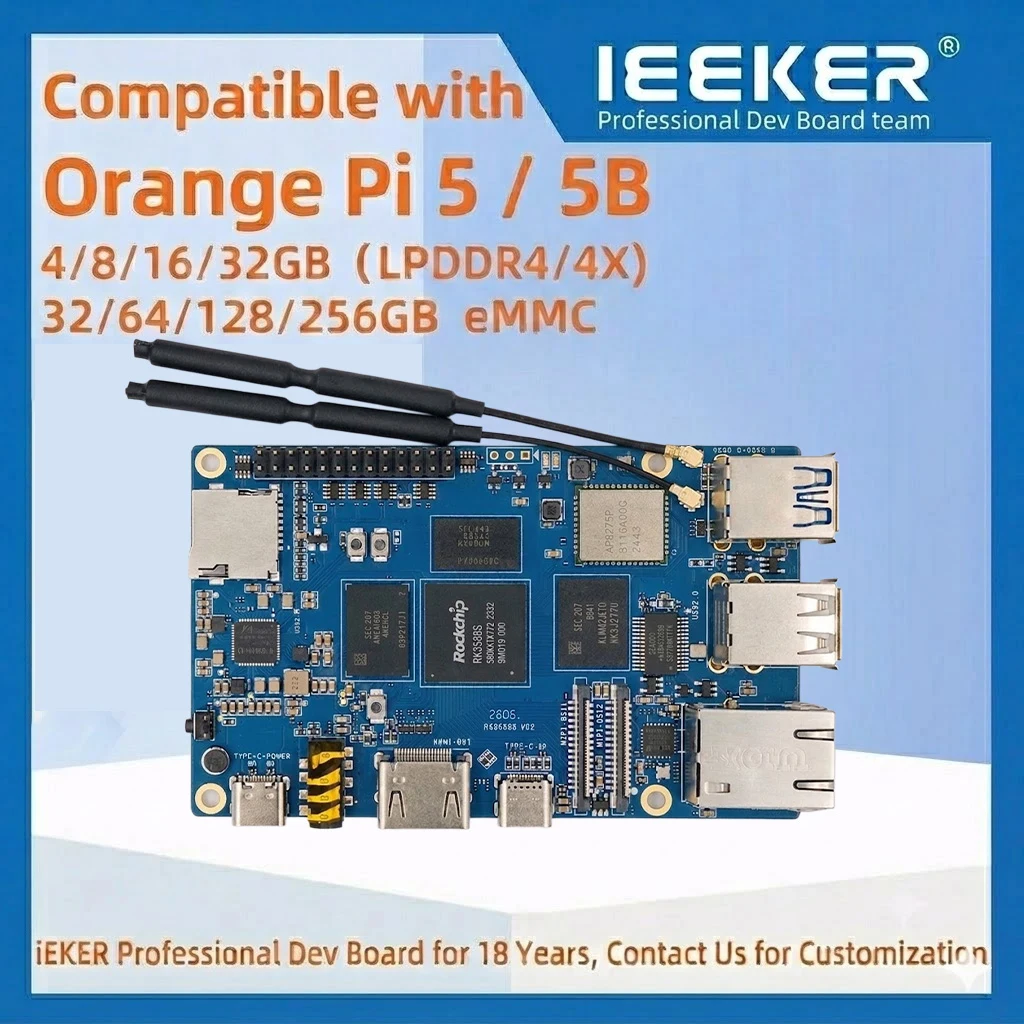
YKR-3588S RK3588S All-in-One-SBC: Kernspezifikationen
Der YKR-3588S basiert auf der Kernplatine YKR-CR3588-V1 – dem RK3588S-Kernmodul von ieeker –, die in ein einziges All-in-One-SBC-Layout integriert ist, anstatt aus einer separaten Kernplatine und einer Trägerplatine zu bestehen. Als RK3588S-All-in-One-SBC bietet er folgende Funktionen:
| Spezifikation | YKR-3588S (RK3588S) |
|---|---|
| CPU | 4× Cortex-A76 mit 2,4 GHz + 4× Cortex-A55 mit 1,8 GHz |
| GPU | Mali-G610 MP4, OpenGL ES 3.2, Vulkan 1.2 |
| NPU | 6 TOPS (RKNN, 3-Kern) |
| Speicher | Bis zu 16 GB LPDDR4X |
| Lagerung | Integrierter eMMC, microSD-Unterstützung |
| Anzeigeausgänge | Bis zu 4 unabhängige — 8K-UHD-Unterstützung |
| Videodekodierung | 8K bei 60 fps; bis zu 32 Kanäle mit 1080p bei 30 fps |
| Videokodierung | 8K bei 30 fps; bis zu 16 Kanäle mit 1080p bei 30 fps |
| Netzwerk | Gigabit-Ethernet, WLAN 6, Bluetooth 5.0 |
| Betriebssystemunterstützung | Android 12, Linux (Debian/Ubuntu/Buildroot) |
| Kernplatine | YKR-CR3588-V1, 17 × 17 mm, RK3588S-Gehäuse |
Die wichtigste Kennzahl für displaygesteuerte Anwendungen: Unabhängiger Bildschirmausgang für 4 Bildschirme mit vollständiger 8K-UHD-Unterstützung. Dies entspricht der gleichen Display-Engine-Leistung wie beim Flaggschiff RK3588 – die Variante RK3588S schränkt die Leistungsfähigkeit des Display-Controllers nicht ein, sondern reduziert lediglich die Gehäusegröße und verzichtet auf I/O-Schnittstellen (PCIe-Erweiterung, SATA), die bei den meisten Digital-Signage-, Kiosk- und kompakten NVR-Produkten ohnehin nie genutzt werden.
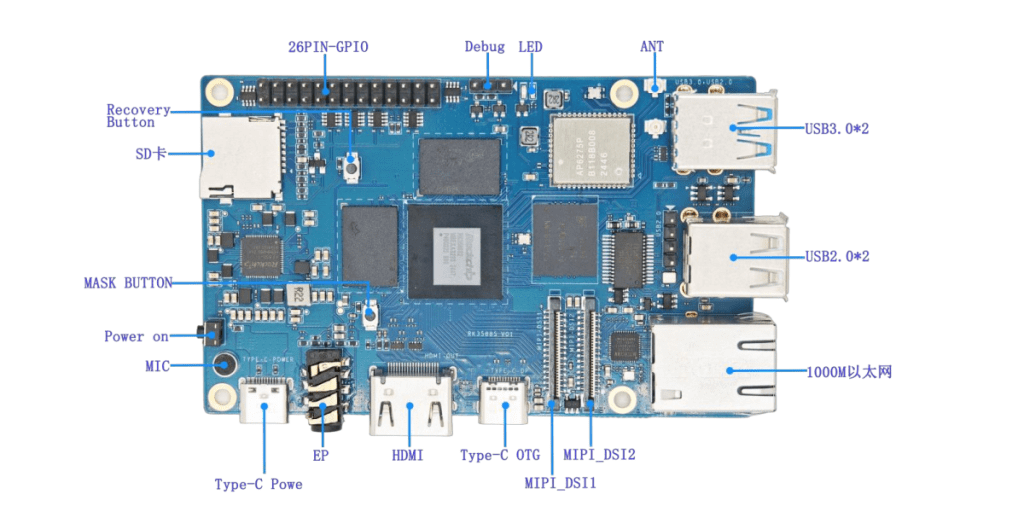
RK3588S All-in-One-SBC – Anwendungsbeispiel 1: Digital Signage und Videowand-Player
Im Bereich Digital Signage kommt die Display-Architektur des YKR-3588S am unmittelbarsten zum Tragen. Eine einzige Platine, die bis zu vier unabhängige, 8K-fähige Ausgänge ansteuert, deckt Konfigurationen ab, für die andernfalls mehrere Platinen oder ein externer Videowand-Controller erforderlich wären: eine Videowand mit vier Panels, die ein einziges zusammengefügtes Bild zeigt, vier unabhängige Schaufenster, auf denen jeweils unterschiedliche Inhalte laufen, oder ein primäres hochauflösendes Display sowie sekundäre Vorschau- und Steuerbildschirme.
Die 8K@60fps-Decodierungs-Engine verarbeitet hochwertige Digital-Signage-Inhalte – Videos in Sendequalität, hochauflösende Markenmedien – ohne Bildausfälle, und die Fähigkeit zur gleichzeitigen Kodierung und Dekodierung unterstützt Anwendungsfälle, in denen der Digital-Signage-Player auch einen Live-Feed erfassen oder weiterleiten muss (interaktive Displays, die ein Live-Kamerabild zeigen, oder die Fernüberwachung dessen, was tatsächlich angezeigt wird). Wie ein Branchenüberblick über den Einsatz der RK3588-Familie im Digital-Signage-Bereich feststellt, sind diese Boards Sie kommen vor allem in exklusiven Einkaufszentren und Marken-Flagship-Stores zum Einsatz und versorgen professionelle Digital-Signage-Netzwerke in Rundfunkstudios, Stadien und Veranstaltungsorten für Live-Events mit hochauflösenden Inhalten und einer ruckelfreien Wiedergabe.
Wo die NPU einen Mehrwert bietet, der über die passive Wiedergabe hinausgeht: Zielgruppenanalyse. Eine an die Platine angeschlossene Kamera kann direkt auf der NPU demografische Schätzungen oder Verweildaueranalysen in Echtzeit durchführen und so die Logik für die gezielte Inhaltsauswahl mit Daten versorgen, ohne dass ein Hin- und Rückweg zu einem Cloud-Inferenzdienst erforderlich ist – relevant für Digital-Signage-Netzwerke im Einzelhandel, bei denen Analysen pro Bildschirm darüber entscheiden, welche Inhalte als Nächstes abgespielt werden.
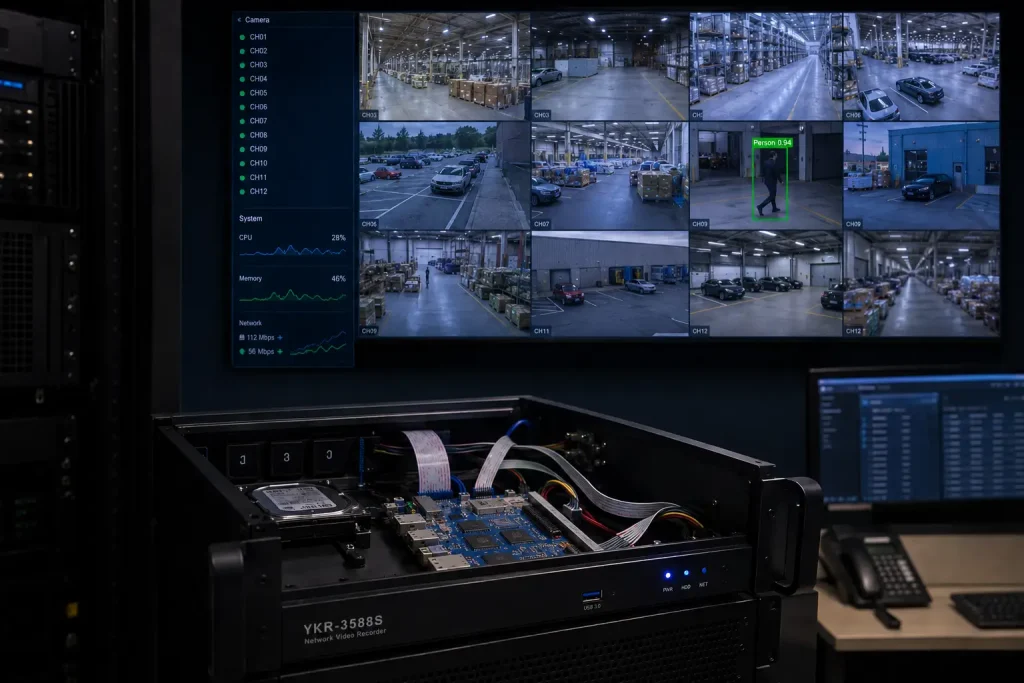
RK3588S All-in-One-SBC – Anwendungsbeispiel 2: NVR und Bildverarbeitungssysteme mit mehreren Kameras
Anwendungen im Bereich Netzwerk-Videorekorder profitieren von zwei spezifischen Funktionen des YKR-3588S: der Dekodierung einer hohen Anzahl von Kanälen und der integrierten NPU-Analyse. Die Karte verfügt über 32-Kanal-Decodierung mit 1080p bei 30 fps Die Kapazität deckt NVR-Implementierungen im mittleren Leistungsbereich ab – kleine bis mittelgroße Sicherheitsanlagen im Einzelhandel, in Lagerhäusern oder in Gebäuden –, ohne dass die stark auf SATA basierende Speicherarchitektur eines vollständigen RK3588-NVR-Designs erforderlich ist, das für 4K/8K-Multi-Stream-Aufzeichnungen im High-End-Bereich ausgelegt ist.
Wie in einem technischen Überblick über NVR-Anwendungen der RK3588-Familie beschrieben wird: Diese Plattformen decodieren mehrere 4K/8K-Streams gleichzeitig, führen Analysen auf der NPU durch und zeichnen die Daten auf einem lokalen Speicher auf. Dank Multi-CSI- und Dual-ISP-Fähigkeiten lassen sich damit Szenarien bei schlechten Lichtverhältnissen, HDR-Anwendungen und die Synchronisation mehrerer Kameras realisieren. Speziell für den YKR-3588S liegt der praktische Sweet Spot für NVRs bei Anwendungen mit mittlerer Kanalanzahl, bei denen ein lokaler eMMC-/microSD-Puffer in Verbindung mit einem netzwerkgebundenen Speichersystem ausreicht – im Gegensatz zu groß angelegten lokalen SATA-Aufzeichnungsarrays, für die eher der Standard-RK3588 in Frage kommt.
Die 6 TOPS NPU führt Objekterkennung (Personen-/Fahrzeugklassifizierung), Linienüberschreitungserkennung und grundlegende Gesichtserkennung direkt auf dem Aufzeichnungsgerät durch – wichtig für Installationen, bei denen die Bandbreite zu einem zentralen Analyseserver begrenzt ist oder bei denen Datenschutz- und Compliance-Anforderungen es vorziehen, die Inferenz vor Ort durchzuführen, anstatt Rohvideodaten in die Cloud zu streamen.
Aus der Praxis: Die Einführung von Multi-Screen-Menütafeln bei einer Restaurantkette
Vor etwa fünf Monaten wandte sich eine Fast-Casual-Restaurantkette aus Indonesien an uns, um das Menüanzeigesystem an ihren 60 Standorten zu erneuern. Bei der bisherigen Konfiguration wurden pro Standort drei separate Einplatinencomputer verwendet – einer pro Display –, da die Anzeigetafel des früheren Anbieters nur einen einzigen HDMI-Ausgang unterstützte. Jeder Standort benötigte drei Anzeigetafeln, drei Netzteile, drei Verkabelungen und hatte damit drei potenzielle Fehlerquellen – und das nur, um eine digitale Menütafel, einen zweiten Werbebildschirm und ein Display zur Bestellbestätigung zu betreiben.
Ihr Integrationspartner hatte ein komplettes RK3588-Board pro Display-Standort als „Upgrade-Pfad“ angeboten – wodurch sich die Hardwarekosten durch die Konsolidierung auf eine RK3588-Platine mit einem Display-Splitter-Zubehör verdreifachten; zudem war weiterhin externe Hardware erforderlich, und das Problem der unabhängigen Inhalte wurde nicht vollständig gelöst (jeder Bildschirm benötigte tatsächlich unterschiedliche Inhalte, kein gespiegeltes oder geteiltes Bild).
Wir schlugen vor, pro Standort eine einzige YKR-3588S-Karte einzusetzen, deren vier integrierte, unabhängige Bildschirmausgänge alle drei Bildschirme direkt ansteuern (wobei ein Ausgang für zukünftige Erweiterungen frei bleibt) – ohne Bildschirmsplitter, ohne Zusatzkarten, wobei jeder Bildschirm völlig unabhängige Inhalte aus derselben Android-basierten Content-Management-App wiedergibt. Die Gesamtzahl der Hardwarekomponenten pro Standort sank von 3 auf 1 Platine. Die Hardwarekosten pro Standort sanken um etwa 58% im Vergleich zur Ausgangsbasis mit drei Platinen, selbst unter Berücksichtigung der Tatsache, dass die YKR-3588S pro Einheit etwas teurer ist als die ursprünglichen Ein-Display-Platinen.
Die Einführung an allen 60 Standorten wurde innerhalb von zehn Wochen abgeschlossen. Die Anzahl der Wartungseinsätze aufgrund von Hardwareproblemen im Zusammenhang mit den Displays ging zurück, da zwei Drittel weniger Platinen im Einsatz waren, die ausfallen konnten. Das IT-Team berichtete zudem von einem erheblichen Vereinfachungseffekt, mit dem es nicht gerechnet hatte: Die Verwaltung eines einzigen Android-Geräts pro Standort anstelle von drei machte die Wartung ihres Systems zur Fernübertragung von Inhalten deutlich einfacher, da die Inhalte aller drei Bildschirme nun von einem einzigen Gerät aus synchronisiert wurden, anstatt sie über drei separate Geräte hinweg koordinieren zu müssen.
Anwendung 3 und 4: Interaktive Kiosksysteme und industrielle Multi-Display-Panels
Interaktive Kiosksysteme – Wegweiser, Selbstbedienungs-Bestellterminals, Check-in-Stationen – benötigen in der Regel ein primäres Touchdisplay sowie zunehmend einen sekundären Bildschirm, der dem Kunden zugewandt ist oder zur Zahlungsbestätigung dient. Als All-in-One-SBC auf Basis des RK3588S ist die kompakte Grundplatine YKR-CR3588-V1 des YKR-3588S hier besonders relevant: Kioskgehäuse unterliegen aufgrund industrieller Designanforderungen häufig Einschränkungen hinsichtlich der Tiefe, und eine kleinere Platine bietet Maschinenbauingenieuren mehr Freiraum für die Verlegung der Kabel des Touch-Controllers, der Zahlungshardware und für das Kabelmanagement.
Für industrielle Leitstände und HMI-Anwendungen mit mehreren Monitoren – eine primäre Prozessanzeige sowie ein sekundärer Alarm-/Trendmonitor oder eine Vier-Quadranten-Übersichtsanzeige für eine Überwachungsstation – gilt dieselbe 4-Ausgangs-Fähigkeit im industriellen Kontext wie im Einzelhandel. Die NPU steht weiterhin für visuelle Analysen auf dem Bildschirm zur Verfügung (z. B. das Einblenden von durch KI erkannten Anomalien in ein Live-Kamerabild des Prozesses neben SCADA-Daten), ohne dass eine separate Bildverarbeitungskarte erforderlich ist.
Bei der Auswahl der Schnittstelle für das HMI-Display – also der Frage, ob für das jeweilige Display, das Sie anschließen möchten, LVDS, MIPI DSI oder eDP verwendet werden sollte – gilt dieselbe Auswahllogik wie in unserem Anleitung zum industriellen HMI-Panel RK3568 Dies gilt direkt für YKR-3588S-Designs, da beide Plattformen dieselbe Familie von Display-Schnittstellen unterstützen.
Wenn der All-in-One-SBC RK3588S nicht die richtige Wahl ist
Es ist sinnvoller, die Vor- und Nachteile offen darzulegen, als das Produkt übermäßig anzupreisen: Die YKR-3588S ist die richtige Platine für die meisten Anwendungen in den Bereichen Digital Signage, Kiosksysteme und mittelgroße NVR-Systeme, aber sie ist nicht für alle Anwendungen in diesem Bereich geeignet. Hier sind drei Szenarien, in denen die Standardplatine YKR-RK3588 die bessere Wahl ist:
- Groß angelegter NVR mit lokalem SATA-Speicher: Wenn Ihr NVR-Konzept mehrere SATA-Laufwerke für wochenlange lokale 4K/8K-Aufzeichnungen anstelle von Netzwerkspeicher erfordert, sind die SATA-III- und PCIe-Erweiterungsmöglichkeiten des YKR-RK3588 unerlässlich – der Speicherpfad des YKR-3588S beschränkt sich ausschließlich auf eMMC/microSD.
- Multikamera-Bildverarbeitungssysteme mit hoher Kanalanzahl: Anwendungen, die mehr gleichzeitige MIPI-CSI-Kameraeingänge erfordern, als der YKR-3588S bereitstellt – beispielsweise Stereo-Tiefenmesssysteme, Panorama-Stitching mit mehreren Kameras oder industrielle Inspektionssysteme mit sechs oder mehr Kameras –, benötigen die volle Anzahl an CSI-Lanes des RK3588.
- Speicherintensive KI-Workloads: Wenn Ihre Inferenz-Pipeline mehrere große Modelle gleichzeitig ausführt und mehr als 16 GB RAM benötigt oder speziell von der LPDDR5-Bandbreite profitiert, unterstützt der YKR-RK3588 Konfigurationen mit bis zu 32 GB und LPDDR5, die die LPDDR4X-Obergrenze des YKR-3588S 16-GB-Obergrenze des YKR-3588S nicht erreicht.
Eine vollständige technische Aufschlüsselung aller Unterschiede zwischen den beiden Chips – Gehäusegröße, maximale Speicherkapazität, PCIe-/SATA-Verfügbarkeit – finden Sie in unserem Vergleichsübersicht: RK3588 vs. RK3588S.
IEEKER YKR-3588S: Entwickelt für kompakte Anwendungen mit hohem Display-Anteil
Der ieeker YKR-3588S All-in-One-SBC wird im eigenen Haus hergestellt und verfügt über validierte Android-12- und Linux-BSP-Images, die gleiche Unterstützung für das RKNN-Toolkit2-NPU-SDK wie unsere anderen Boards der RK3588-Familie sowie direkten technischen Support bei Fragen zur Displaykonfiguration und zur Multi-Screen-Content-Pipeline. Als All-in-One-SBC auf RK3588S-Basis ist es speziell für das segment der RK3588-Familie positioniert, das sich durch einen hohen Display-Anteil und eine kompakte Bauform auszeichnet. Für Anwendungen, bei denen nachweislich mehr E/A-Schnittstellen benötigt werden – NVMe-Speicher, zusätzliche CSI-Kamerakanäle, 32 GB+ Arbeitsspeicher –, verweisen wir Sie auf das Entwicklungsboard YKR-RK3588 Vielmehr ist es uns wichtiger, die richtige Platine an Ihre tatsächlichen Anforderungen anzupassen, als auf welcher Produktseite Sie landen.
Möchten Sie ein Digital-Signage-, Kiosk- oder NVR-Produkt auf Basis des RK3588S entwickeln?
Teilen Sie uns die Anzahl Ihrer Displays, die Anzahl der Kanäle und Ihren Speicherbedarf mit – wir prüfen dann, ob das Modell YKR-3588S geeignet ist, oder empfehlen Ihnen eine passende Alternative.
YKR-3588S-Evaluierungsboard anfordern →Häufig gestellte Fragen
Wie viele Bildschirme kann das YKR-3588S gleichzeitig ansteuern?
Bis zu 4 unabhängige Bildschirme mit vollständiger 8K-UHD-Unterstützung am Hauptausgang. Dadurch eignet sich das Gerät für Videowände, Multi-Screen-Signage-Anlagen und Kontrollraumkonfigurationen, ohne dass ein separater Bildschirmsplitter oder Controller erforderlich ist. An jedem Ausgang können völlig unabhängige Inhalte wiedergegeben werden – es ist nicht notwendig, ein einzelnes Quellbild zu spiegeln oder aufzuteilen.
Ist der YKR-3588S für ein großes NVR-System mit vielen Kameras geeignet?
Das hängt vom Umfang ab. Bei Implementierungen mit mittlerer Kanalanzahl (bis zu etwa 32 Kanälen bei 1080p), die netzwerkgebundenen oder eMMC-/microSD-Speicher nutzen, ist dies der Fall. Für groß angelegte NVR-Systeme, die mehrere lokale SATA-Laufwerke für wochenlange 4K/8K-Aufzeichnungen erfordern, oder für Systeme, die mehr gleichzeitige MIPI-CSI-Kameraeingänge benötigen, als der YKR-3588S bereitstellt, ist der Standard-YKR-RK3588 mit vollständiger SATA-III-Unterstützung und erweiterten CSI-Lanes die besser geeignete Plattform.
Bietet der YKR-3588S die gleiche NPU-Leistung wie der vollständige RK3588?
Ja. Die NPU ist beim RK3588 und beim RK3588S identisch – dieselben 6 TOPS, dieselbe 3-Kern-RKNN-Architektur und derselbe Konvertierungs-Workflow mit dem RKNN-Toolkit2. Modelle zur Objekterkennung, Klassifizierung und Analyse erzielen auf beiden Geräten identische Ergebnisse, es sei denn, Ihr spezifisches Modell überschreitet die Speicherobergrenze des YKR-3588S von 16 GB.
Welche Betriebssysteme unterstützt das YKR-3588S?
Sowohl Android 12 als auch Linux (Debian-, Ubuntu- und Buildroot-Images) sind auf dem YKR-3588S validiert. Android wird in der Regel für Digital-Signage-, Kiosk- und Content-Management-Anwendungen mit bestehenden Android-basierten CMS-Tools bevorzugt; Linux wird für NVR- und industrielle Anwendungen bevorzugt, die direkten Hardwarezugriff und die Integration benutzerdefinierter Protokolle erfordern.
Was ist der Unterschied zwischen dem YKR-3588S und dem YKR-CR3588-V1?
Das YKR-CR3588-V1 ist das RK3588S-Core-Board – das Rechenmodul selbst, das auf dem 17 × 17 mm BGA-Gehäuse. Der YKR-3588S ist ein kompletter All-in-One-SBC, der auf diesem Kernboard basiert und über die Display-Ausgänge, Netzwerkschnittstellen und Anschlüsse verfügt, die für eine einsatzbereite Entwicklungs- und Produktionsplattform erforderlich sind. Für kundenspezifische Gehäusedesigns ist das Kernboard YKR-CR3588-V1 auch separat erhältlich, um es in eine kundenspezifische Trägerplatine zu integrieren.
Quellen und Referenzen