Modern industrial systems and edge computing applications demand computing hardware that is compact, stable and purpose-built for continuous field operation. For system integrators, automation engineers and product developers, selecting the right industrial single board computer is a core step to guarantee reliable long-term operation of factory equipment, IoT gateways and machine vision terminals. Unlike consumer single board computers designed for hobbyists, industrial grade single board computers are engineered to withstand harsh working environments, support long component lifecycles and provide flexible operating system compatibility such as Linux. This guide covers core definitions, key hardware specifications, mainstream models, practical selection factors and frequently asked questions to help technical buyers make informed decisions.
What Is an Industrial Single Board Computer
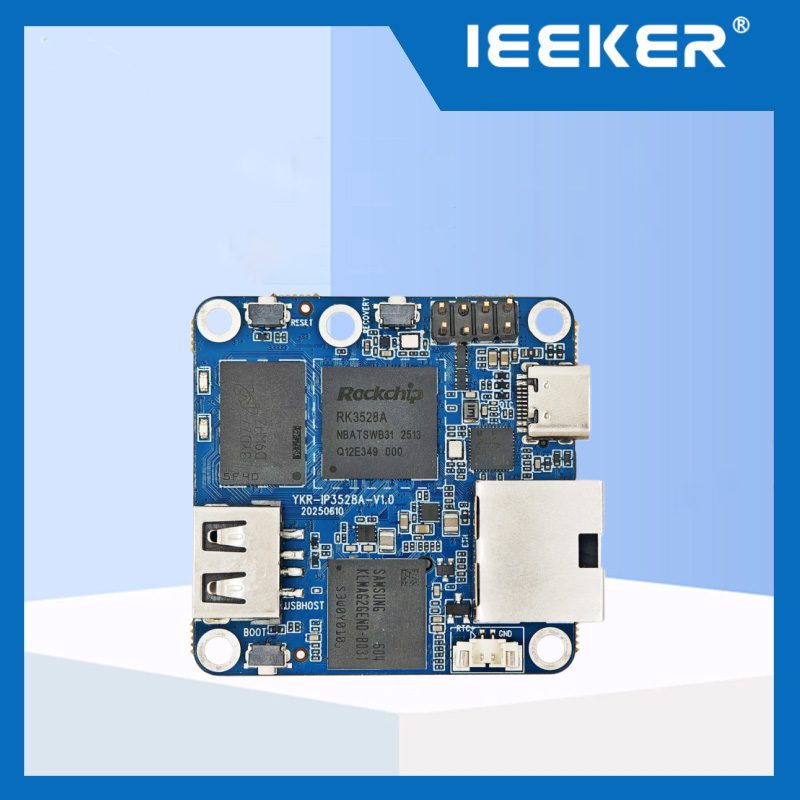
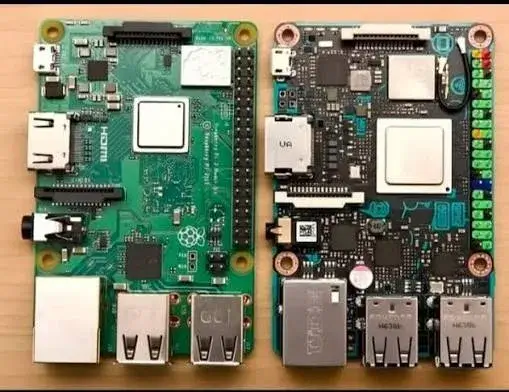
An industrial single board computer is a fully integrated computing platform that consolidates processor, memory, storage, network chips and peripheral interfaces onto one circuit board. It is also commonly referred to as industrial grade single board computer. The whole system can run independently without separate motherboard or chassis components.
The most obvious difference from regular single board computers lies in reliability standards. Consumer boards are designed for intermittent indoor use, while industrial single board computers are validated for 24 hour continuous operation, wide temperature ranges, vibration resistance and stable power input. Many models support Linux, a widely favored operating system in embedded development because of open source customization and strong driver adaptability. These features make the hardware suitable for factory floors, outdoor monitoring cabinets and mobile industrial devices.
Mainstream Industrial Single Board Computer Models and Specifications
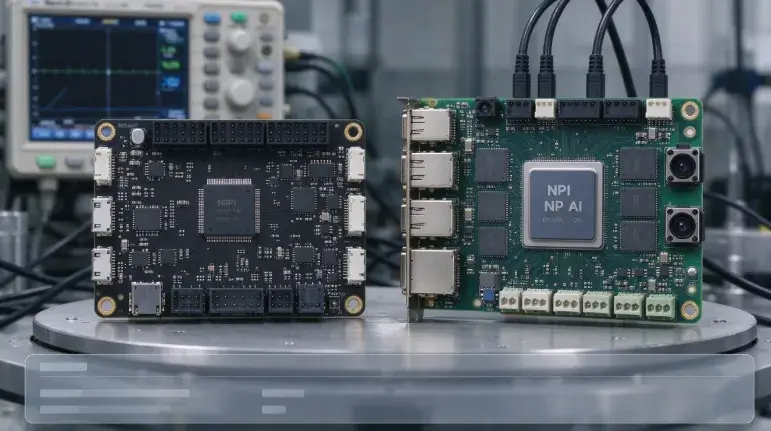
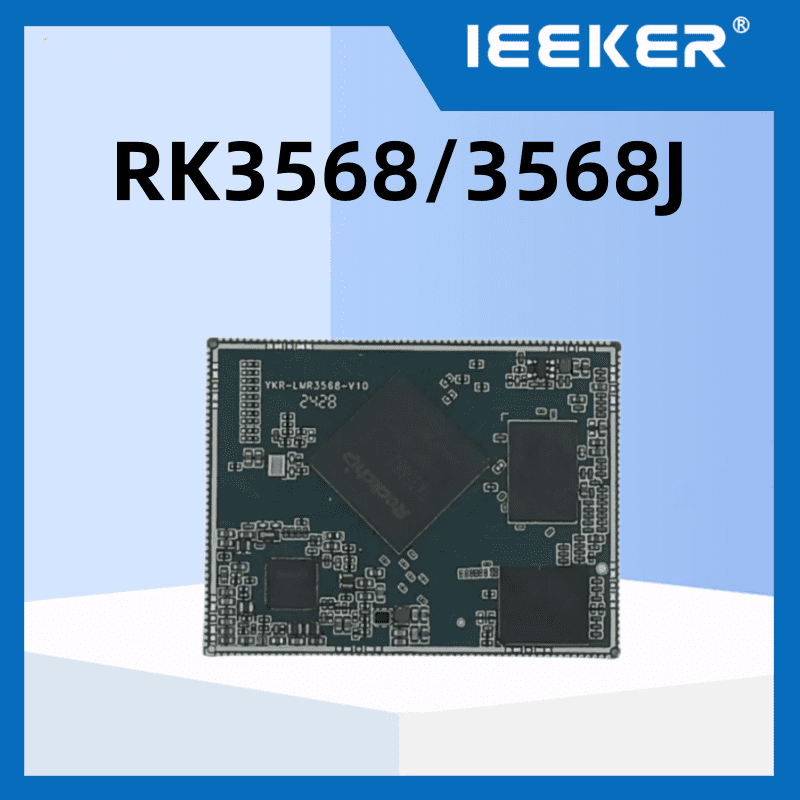
Different industrial projects carry distinct computing and interface requirements. The table below lists common Rockchip-based industrial single board computers and their target scenarios, which helps engineers match hardware to project needs quickly.
| Model | Grade | Supported OS | NPU Performance | Primary Application |
|---|---|---|---|---|
| RK3568 Industrial SBC | Industrial Grade | Linux, Android | 0.8 TOPS | IoT gateways, simple HMI, data collection terminals |
| RK3576 Industrial SBC | Industrial Grade | Linux, Android | 8 TOPS | Single channel machine vision, quality inspection |
| RK3588 Industrial SBC | Industrial Grade | Linux, Android | 6 TOPS | Multi camera edge AI, 4K video processing |
| RV1126 Industrial SBC | Industrial Grade | Linux | 2 TOPS | Low power smart cameras, access control sensors |
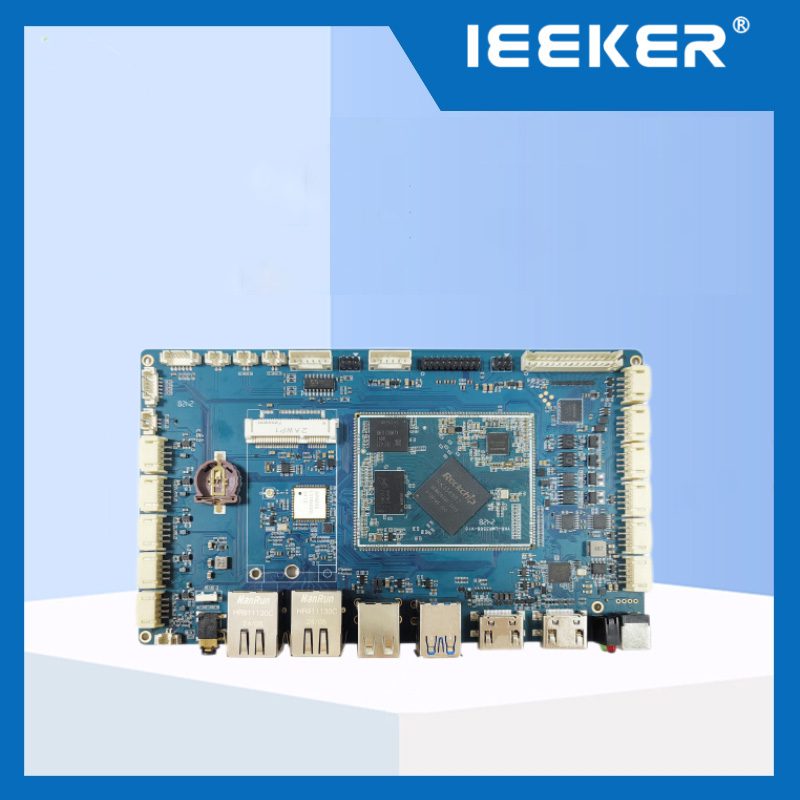
A qualified industrial single board computer reserves essential industrial interfaces including RS485, CAN bus, Gigabit Ethernet, MIPI camera ports and isolated digital IO. These native interfaces remove the need for extra conversion modules and reduce potential failure points in industrial sites. Trusted suppliers such as ieeker provide optimized Linux SDK, customized device tree files and flashing tools to cut down software development cycles for mass production.
Core Benefits of Industrial Grade Single Board Computer
The first advantage is small footprint. Industrial control cabinets usually have limited internal space. The all-in-one board design saves space, which is valuable for equipment retrofitting and slim HMI terminal development.
Second, rugged environmental adaptability. Industrial grade single board computers can operate steadily under wide temperature conditions and resist vibration and shock from production lines. This stability is critical for equipment installed on conveyors, robotic arms and field monitoring stations.
Third, flexible software support. Most industrial single board computer linux variants enjoy mature community and vendor support. Developers can modify kernel, develop custom drivers and tailor system functions for unique project requirements. Linux is preferred by many automation teams for its lightweight performance and licensing advantages.
Fourth, long supply lifecycle. Consumer computer hardware often faces quick component phase out. Industrial single board computers adopt chips with multi-year supply schedules, so manufacturers can avoid production interruptions caused by end-of-life parts.
Common Application Scenarios
Industrial automation is the largest application area. Industrial single board computers work as core controllers for HMI touch screens, collecting sensor data and communicating with PLC devices to monitor production parameters.
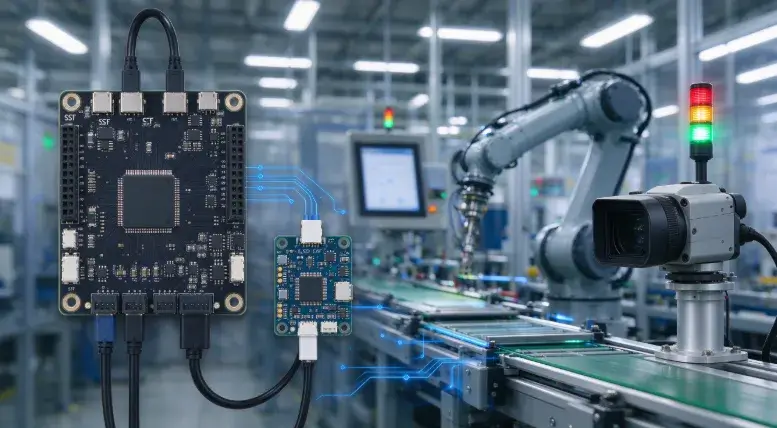
Edge machine vision is another fast growing use case. High performance industrial SBCs process video streams locally to run defect detection and safety monitoring algorithms. Local computation reduces cloud bandwidth consumption and lowers response latency.
IoT data gateways rely on low power industrial single board computers to aggregate signals from multiple field sensors, preprocess data and transmit organized information to cloud platforms.
Self-service kiosks and digital signage also use industrial grade single board computers. Stable video decoding capability supports non-stop running of interactive terminals in retail, transportation and public facilities.
Practical Tips to Select Industrial Single Board Computer
Start with workload evaluation instead of only chasing high processor specs. If your task is only data collection and simple display, a low power model will bring better power efficiency and lower BOM cost. For multi camera AI inspection, select boards with stronger NPU and multimedia processing capacity.
Confirm required interfaces before sampling. Check whether the board provides CAN, RS485, isolated IO or high speed Ethernet your system requires. Adding external adapters later increases system complexity and instability risk.
Verify operating system support. If your development team builds the whole solution on open source platforms, prioritize an industrial single board computer linux version with complete vendor SDK and technical documentation.
Confirm component supply cycle. For products planned for years of mass production, ask suppliers about the long term availability of the SoC and key memory chips.
Frequently Asked Questions
What is the difference between industrial single board computer and industrial grade single board computer
These two terms describe the same category of hardware. Industrial grade single board computer emphasizes the rugged qualification standard, while industrial single board computer is the more widely used core search term in the industry.
Does industrial single board computer support Linux
Yes. Most mainstream industrial SBCs including Rockchip series provide Linux system images, kernel source code and driver packages. Linux is a popular option for embedded industrial development for customization and stability.
Is an industrial single board computer the same as industrial pc
No. An industrial pc often refers to a complete box type computing host with enclosure. An industrial single board computer is the bare computing board without a dedicated housing. Users can install the SBC inside custom cabinets or integrate it with touch screens to form HMI devices.
Can industrial single board computers run AI vision algorithms
Many industrial grade single board computers come with built-in NPU. These boards support mainstream AI frameworks, allowing engineers to deploy object detection and classification models locally for edge vision projects.
Final Thoughts
Industrial single board computers are flexible foundational hardware for modern embedded and edge systems. From simple IoT data gateways to high demanding multi-channel machine vision, industrial grade single board computers balance compact size, environmental resistance and software flexibility. When evaluating options, match hardware performance to real workloads, validate interfaces and operating system support such as Linux, and confirm long term component supply before finalizing your design. This method effectively reduces field fault risks and accelerates the transition from prototype to stable mass production.