
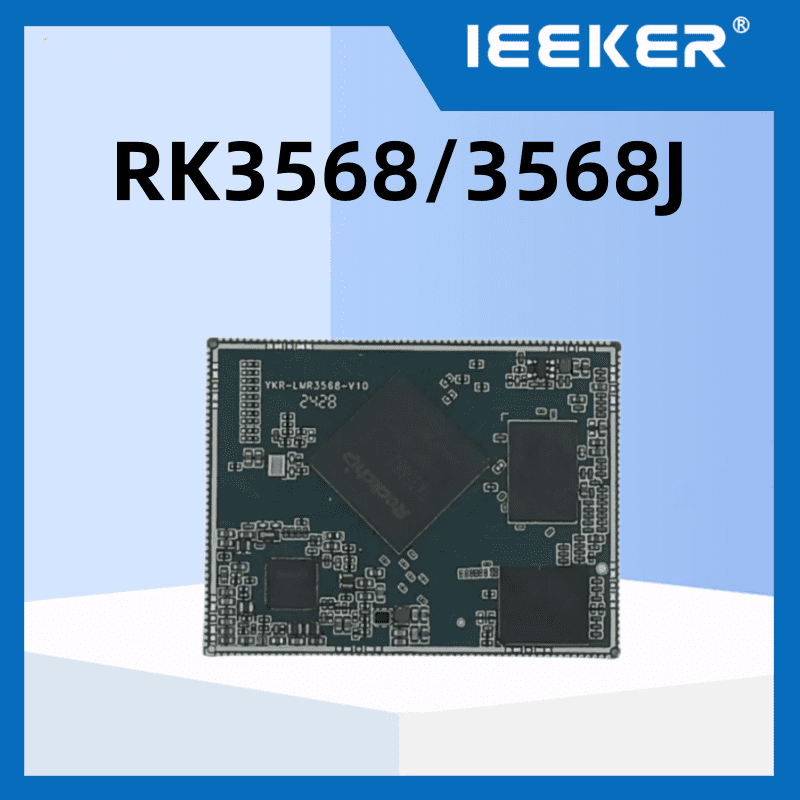
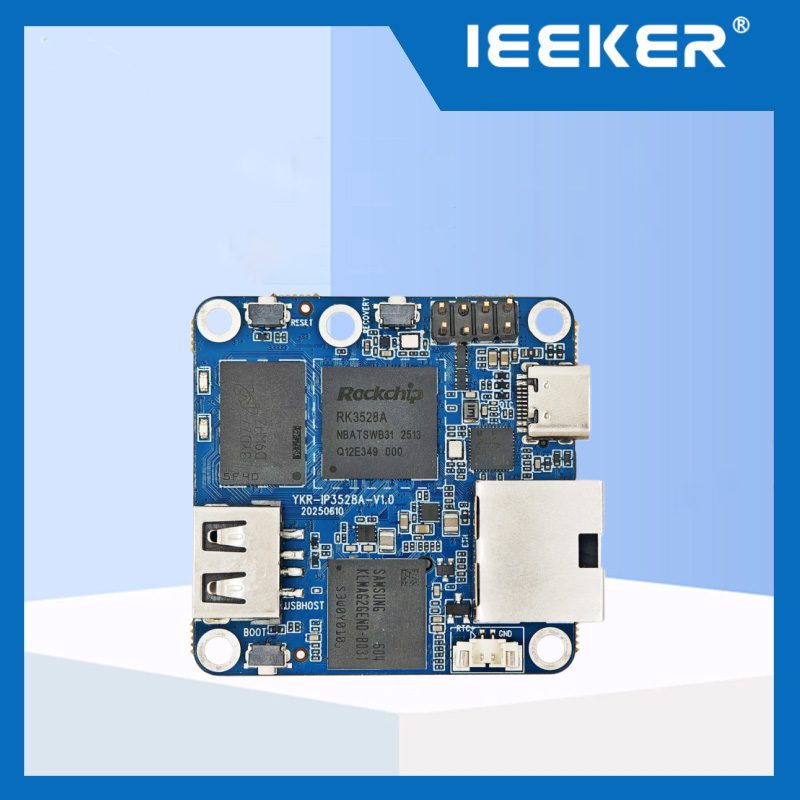
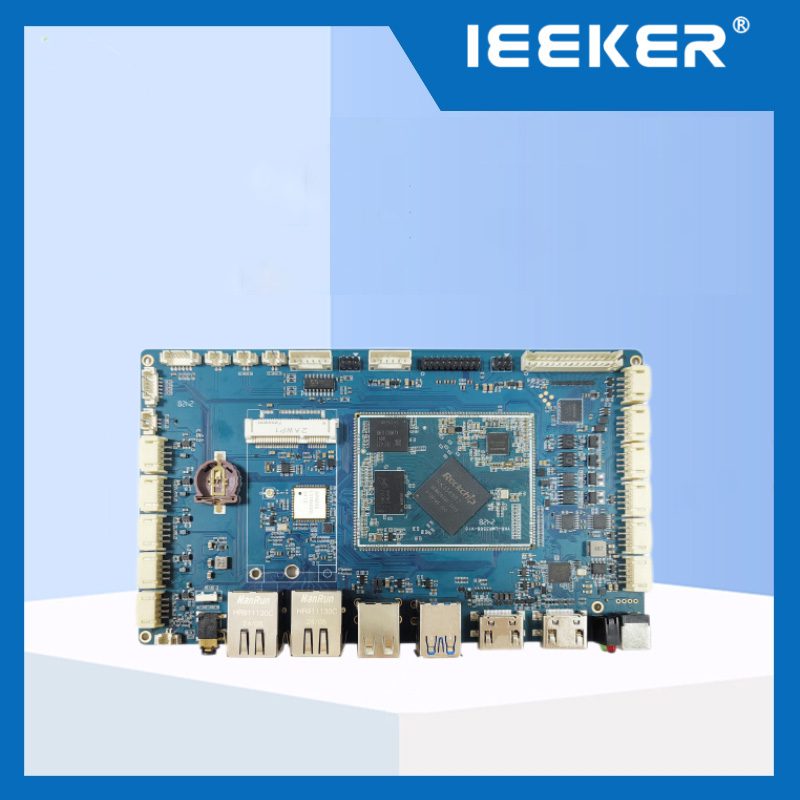
Краткий ответ: Выберите RK3568 Если вашему проекту требуется отображение с ускорением на графическом процессоре, поддержка Android или мультимедиа, несколько видеовыходов или жесткие целевые показатели по стоимости комплектующих — плата разработчика ieeker YKR-BP3568-V1 при серийном производстве обойдется на 30–40% дешевле, чем аналогичное оборудование на базе i.MX8M Plus. Выберите i.MX8M Plus если вашему приложению требуется сопроцессор Cortex-M7, работающий в режиме реального времени, соответствие стандартам функциональной безопасности DO-178/IEC 61508 или участие в программе NXP по обеспечению 15-летнего срока службы для проектов в медицинской и аэрокосмической отраслях, где обязательства по поставкам должны быть гарантированы договором.
RK3568 и NXP i.MX8M Plus относятся к одному и тому же классу производительности — оба представляют собой четырехъядерные SoC на базе Cortex-A53 с тактовой частотой 1,8–2,0 ГГц, оба предназначены для промышленных приложений IoT, HMI и периферийного ИИ, и оба доступны на платах разработчика от различных производителей. Тем не менее, они предполагают кардинально разные инженерные компромиссы, и выбор неподходящего варианта обходится в реальные деньги: речь идет не только о разнице в стоимости комплектующих, но и о времени на интеграцию BSP, процессе сертификации и рисках, связанных с цепочкой поставок в рамках пятилетней программы.
Данное руководство предоставляет инженерам по встраиваемым системам и менеджерам по аппаратным продуктам возможность прямого сравнения по каждому критерию — архитектура ЦП, графический процессор (GPU), нейронный процессор (NPU), возможности вывода изображения на дисплей, способность работать в режиме реального времени, доступность плат для разработки, экосистема BSP, стоимость спецификации (BOM) и долгосрочность поставок — чтобы вы могли принять правильное решение до того, как будет утверждена первая компоновка печатной платы.
Основные выводы
- Графический процессор RK3568 Mali-G52 значительно превосходит i.MX8M Plus GC7000UL по производительности при выполнении задач, связанных с OpenGL ES, рендерингом Qt и интерфейсами HMI с несколькими дисплеями
- i.MX8M Plus оснащен выделенным сопроцессором реального времени Cortex-M7 с тактовой частотой 800 МГц; в RK3568 его нет — это ключевое отличие при реализации контуров управления в режиме жесткого реального времени
- NPU RK3568: 1,0 TOPS. NPU i.MX8M Plus: 2,3 TOPS — в этом ценовом сегменте i.MX8M Plus лидирует по пропускной способности при выполнении вычислений искусственного интеллекта
- Стоимость комплектующих (BOM) платы разработки ieeker YKR-RK3568 на 30–40% ниже, чем у аналогичных плат на базе i.MX8M Plus при объёме производства в 1 000 штук
- На микроконтроллер NXP i.MX8M Plus распространяется предусмотренная договором программа обеспечения срока службы на 15 лет от компании NXP; микроконтроллер RK3568J от Rockchip отличается длительным сроком промышленной доступности, однако не имеет письменной гарантии на 15 лет
- RK3568 поддерживает 4 одновременных выхода на дисплей (MIPI DSI, два канала LVDS, eDP, HDMI); i.MX8M Plus поддерживает 2 (два канала LVDS + HDMI или MIPI DSI)
- Уровень зрелости BSP для Linux высок в обоих случаях; поддержка Android на RK3568 значительно лучше, чем на i.MX8M Plus
- Для промышленных приложений HMI, шлюзов IoT и периферийного ИИ на базе 95% — RK3568 является оптимальным выбором с точки зрения соотношения цены и производительности
RK3568 и i.MX8M Plus: краткое сравнение технических характеристик
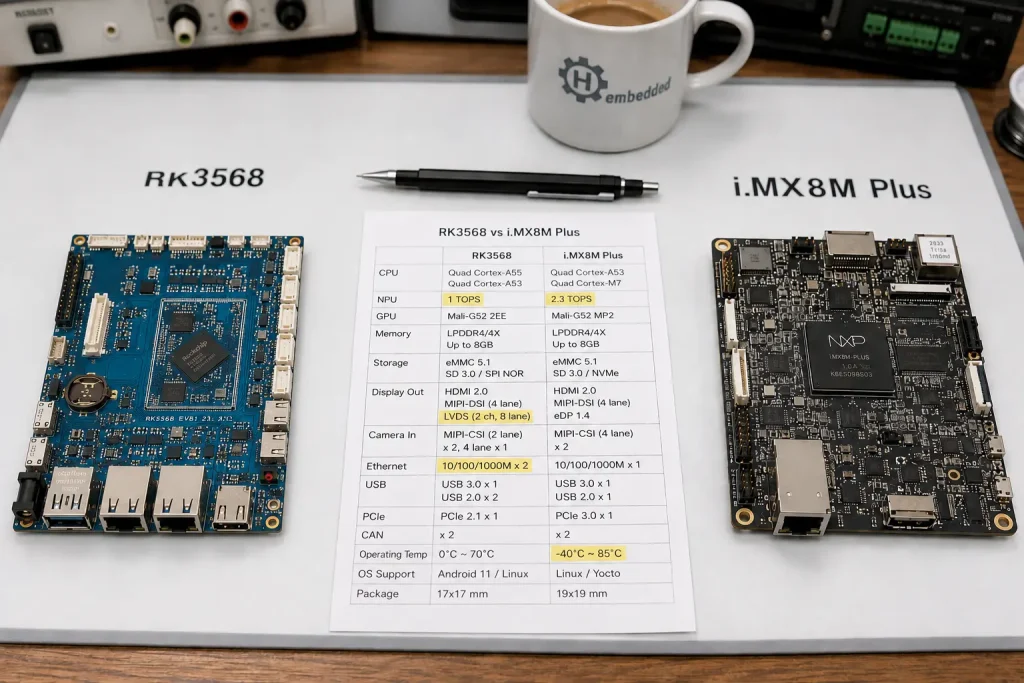
Прежде чем перейти к подробному анализу, предлагаем ознакомиться с полной таблицей технических характеристик. Заголовки, выделенные жирным шрифтом, указывают на те области, в которых одна система на кристалле (SoC) значительно превосходит другую.
| Параметр | RK3568 / RK3568J | NXP i.MX8M Plus |
|---|---|---|
| Ядра процессора | 4× Cortex-A55 с тактовой частотой 2,0 ГГц | 4× Cortex-A53 с тактовой частотой 1,8 ГГц + 1× Cortex-M7 с тактовой частотой 800 МГц |
| Архитектура процессора | ARMv8.2-A (более новая версия) | ARMv8-A |
| GPU | Мали-G52 2EE OpenGL ES 3.2, Vulkan 1.1, OpenCL 2.0 | Vivante GC7000UL OpenGL ES 3.1, Vulkan 1.1, OpenCL 1.2 |
| НПУ | 1.0 TOPS (RKNN) | 2.3 TOPS (eIQ / TFLite) |
| Технологический узел | 22 нм | 14 нм (TSMC) |
| Выводы дисплея | 4 одновременно MIPI DSI + двойной LVDS + eDP + HDMI 2.0 | 2 одновременно двойной интерфейс LVDS + HDMI или MIPI DSI |
| Декодирование видео | 4K H.265/H.264 со скоростью 60 кадров в секунду | 4K H.265/H.264 со скоростью 60 кадров в секунду |
| Ethernet | 2× Гигабит (независимые MAC) | 2× Гигабит (при поддержке TSN) |
| PCIe | PCIe 3.0 × 2 | PCIe 3.0 × 1 |
| USB | USB 3.0 × 1, USB 2.0 × 2 | USB 3.0 × 2, USB 2.0 × 1 |
| SATA | SATA III × 1 | Нет |
| шина CAN | CAN 2.0 × 2 | CAN-FD × 2 |
| Промышленная температура | от -40 °C до +85 °C (RK3568J) | от -40 °C до +85 °C (стандартный диапазон) |
| Программа продления жизни | Промышленная доступность (RK3568J), без договорного обязательства на 15 лет | 15-летняя программа NXP по обеспечению долговечности |
| Типичная стоимость спецификации материалов (BOM) для SBC | ~$65–90 @ 1 тыс. единиц | ~$95–130 @ 1 тыс. единиц |
| Поддержка Android | Отлично (Android 12, в хорошем состоянии) | Ограниченная (основная — Yocto/Linux) |
Архитектура процессора: почему сопроцессор Cortex-M7 является ключевым фактором, выделяющим данную модель среди других
На бумаге RK3568 выигрывает в гонке одноядерных процессоров: его ядра Cortex-A55 работают на частоте 2,0 ГГц по сравнению с Cortex-A53 в i.MX8M Plus, работающим на частоте 1,8 ГГц, а архитектура ARMv8.2-A обеспечивает небольшое улучшение IPC по сравнению с ARMv8-A. На практике же для тех рабочих нагрузок, с которыми работают эти SoC — рендеринг пользовательского интерфейса, обработка протоколов, сбор данных, пограничное вычисление — эта разница в тактовой частоте незаметна.
По-настоящему важное отличие процессоров заключается в том, что i.MX8M Plus обладает тем, чего нет у RK3568: выделенным Сопроцессор реального времени Cortex-M7, работающий на частоте 800 МГц. Это не просто незначительная сноска в спецификации. M7 работает под управлением независимой ОС реального времени (FreeRTOS, Zephyr или «bare-metal») и имеет собственную оперативную память, контроллер прерываний и прямой доступ к периферийным устройствам — полностью изолированные от ядер прикладного процессора Linux. Это обеспечивает детерминированное время отклика на прерывания в диапазон менее 150 мкс без какого-либо влияния колебаний планирования Linux на ядра A53.
Для сравнения: RK3568 с PREEMPT_RT Модифицированное ядро обеспечивает примерно Задержка прерывания в наихудшем случае — 180–220 мкс при нагрузке — вполне достаточный показатель для интерфейсов человека-машины (HMI), шлюзов Интернета вещей (IoT) и большинства промышленных панелей управления, но превышает пороговое значение для контуров сервоуправления, которые должны замыкаться с частотой ≥1 кГц. Как отмечается в одном из подробных тестов, опубликованных на сайте DEV Community: «Для продуктов серии 95% — цифровых вывесок, панелей управления, периферийных камер — задержка в чипах Rockchip уже завышена. Если ваш сервоконтур должен замыкаться с частотой ≥1 кГц и джиттером <150 мкс, выбирайте NXP».
Практическое правило выбора: если ваше промышленное применение предполагает управление двигателем в режиме замкнутого контура, синхронизированную многоосевую робототехнику или сертификацию функциональной безопасности, требующую сертифицированной среды выполнения в режиме реального времени, — сопроцессор M7 в i.MX8M Plus действительно необходим. Для всех остальных задач (панели HMI, шлюзы IoT, машинное зрение, цифровые вывески, пограничные вычисления на базе искусственного интеллекта) производительности Linux-ядра PREEMPT_RT в RK3568 более чем достаточно.
Производительность графического процессора: самое значительное практическое различие между этими двумя SoC
Разница в графическом процессоре между RK3568 и i.MX8M Plus является наиболее значимым техническим параметром для большинства промышленных встраиваемых систем — и она явно играет на руку RK3568.
RK3568 Мали-G52 2EE — это современный графический процессор на базе архитектуры Bifrost с полной OpenGL ES 3.2, Vulkan 1.1 и OpenCL 2.0 поддержка. В процессоре i.MX8M Plus используется Vivante GC7000UL — устаревшая архитектура, поддерживающая OpenGL ES 3.1 и OpenCL 1.2; поддержка Vulkan 1.1 добавлена посредством обновления драйвера, однако в документации указаны ограничения по производительности при выполнении задач с интенсивной обработкой геометрии.
На практике это приводит к существенным различиям в конкретных рабочих нагрузках, с которыми сталкиваются промышленные встраиваемые устройства:
| Рабочая нагрузка | RK3568 Mali-G52 | i.MX8M Plus GC7000UL |
|---|---|---|
| Qt Quick: пользовательский интерфейс с разрешением 1080p и частотой 60 кадров в секунду | ✅ Стабильные 60 кадров в секунду, нагрузка на графический процессор ~351 TP3T | ⚠️ 45–55 кадров в секунду при высокой нагрузке от анимации |
| Ланчер Android / Пользовательский интерфейс | ✅ Smooth (полная поддержка Android 12) | ❌ BSP для Android плохо поддерживается |
| Декодирование видео 4K в формате H.265 (VPU) | ✅ Аппаратный VPU, нагрузка на GPU <10% | ✅ Аппаратный VPU, эквивалентный |
| Независимый вывод на несколько дисплеев | ✅ 4 одновременных выхода | ⚠️ 2 одновременных выхода |
| Вычисления с использованием OpenCL (обработка изображений) | ✅ Полный профиль OpenCL 2.0 | ⚠️ Только OpenCL 1.2 |
| Композитор Wayland/Weston | ✅ Стабильная, тщательно протестированная | ✅ Стабильная версия (эталонная сборка Yocto) |
Разрыв в производительности графических процессоров имеет наибольшее значение для Области применения панелей HMI. Если вы разрабатываете промышленную сенсорную панель с использованием Qt Quick, анимированную визуализацию данных или интерфейс Android в стиле киоска, запас производительности Mali-G52 обеспечит более плавную работу пользовательского интерфейса без необходимости оптимизации драйвера дисплея. GC7000UL — функциональный графический процессор, но для достижения сопоставимой частоты смены кадров требует более тщательной настройки рендеринга в Qt. Для чисто «бездисплейных» приложений (шлюзы IoT, преобразователи протоколов) разница между графическими процессорами не имеет значения.
Более подробную информацию о производительности рендеринга Qt именно на RK3568 — включая настройку EGLFS и типичные узкие места при привязке данных — см. в нашем Руководство по эксплуатации HMI ieeker YKR-RK3568 Qt.
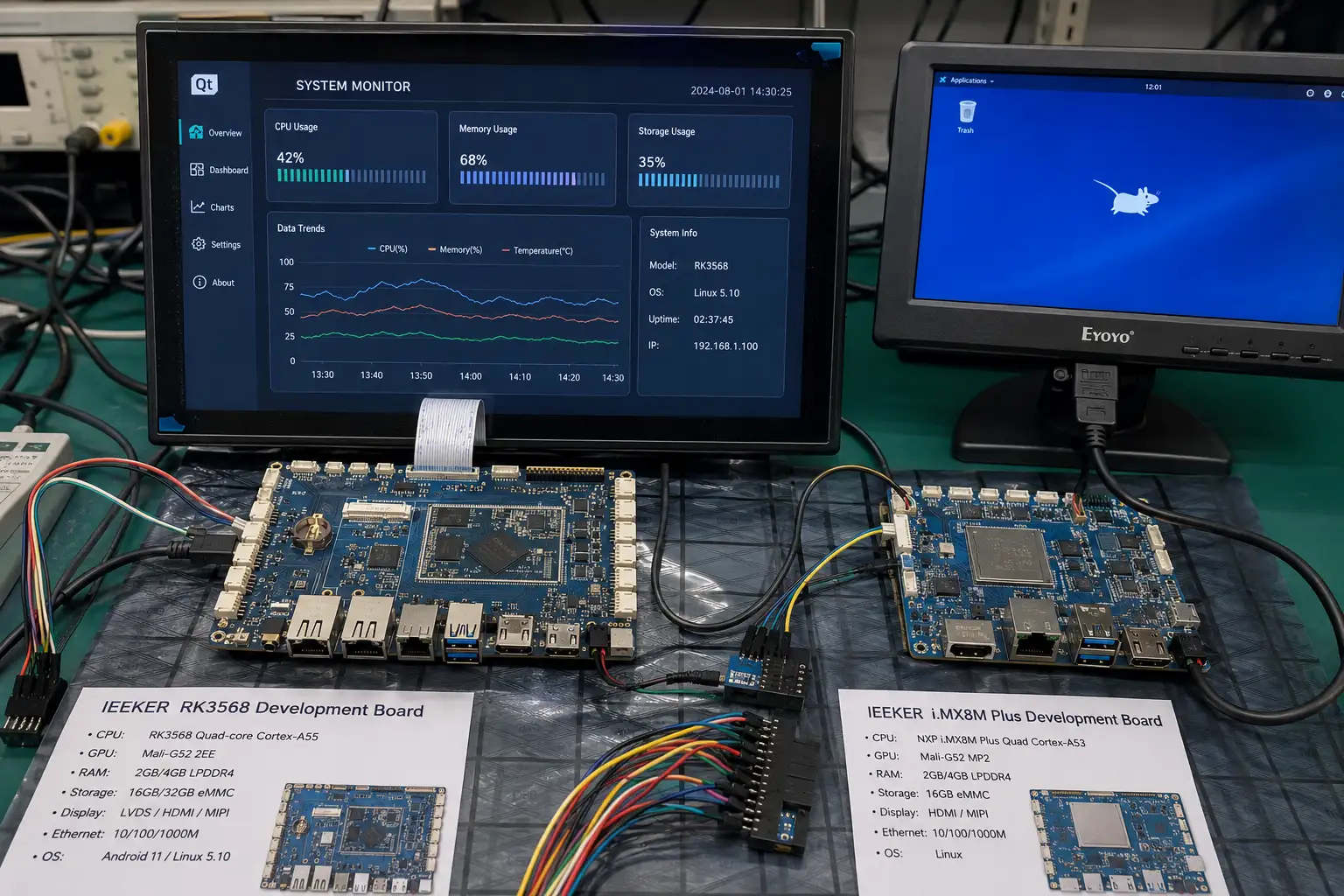
Сравнение НПУ: 1,0 TOPS против 2,3 TOPS — имеет ли это значение для вашего приложения?
Оба SoC оснащены специализированным нейронным процессором, однако отличаются архитектурой, набором инструментов и эффективной пропускной способностью:
- НПУ RK3568 (1,0 TOPS): Использует ту же архитектуру RKNN, что и NPU с производительностью 6 TOPS в RK3588, то есть RKNN-Toolkit2 Рабочий процесс (PyTorch/TensorFlow → ONNX → квантованная модель RKNN → инференция) одинаков на всех платформах. Модели, прошедшие валидацию на RK3568, развертываются на RK3588 без повторной квантования. Реальное время вывода для квантованной модели MobileNetV2 с точностью INT8: примерно 35 мс на кадр — этого достаточно для обнаружения аномалий, базовой классификации объектов и моделей прогнозного технического обслуживания.
- NPU i.MX8M Plus (2,3 TOPS): Использует архитектуру Verisilicon VIP, доступ к которой осуществляется через NXP Среда разработки eIQ ML (TensorFlow Lite, ONNX Runtime). Показатель 2,3 TOPS примерно в 2 раза превышает исходную пропускную способность RK3568 при вычислениях, что позволяет ускорить вычисления или использовать модели большего размера при том же целевом значении задержки. Компания NXP предоставляет тщательно поддерживаемые инструменты для оптимизации моделей и документированные конвейеры квантования INT8.
Практический вопрос заключается в том, имеет ли значение соотношение 2,3 TOPS к 1,0 TOPS для вашего конкретного приложения. Для несложных задач инференса — прогнозное техническое обслуживание, обнаружение аномалий по данным датчиков временных рядов, базовый визуальный осмотр со скоростью 5–10 кадров в секунду, поиск ключевых слов — достаточно 1,0 TOPS, и преимущество платформы RK3568 в плане стоимости становится решающим. Для инференции с несколькими видеопотоками (одновременное обнаружение на 4 и более камерах) или инференции в системах технического зрения с низкой задержкой со скоростью 30+ кадров в секунду с использованием ResNet-50 или более крупных моделей 2,3 TOPS процессора i.MX8M Plus обеспечивает значительный запас производительности.
Одно замечание по поводу набора инструментов: RKNN-Toolkit2 имеет более многочисленное сообщество китайских разработчиков и больше примеров промышленных моделей, доступных на GitHub, чем экосистема i.MX8M Plus eIQ. Для команд, которые будут создавать собственные модели, это практическое преимущество в документации может перевесить разницу в показателе TOPS с точки зрения времени разработки.
С производственного цеха: почему немецкий заказчик в сфере автоматизации перешел с i.MX8M Plus на RK3568
Около восемнадцати месяцев назад к нам обратилась команда разработчиков аппаратного обеспечения из немецкой компании, занимающейся промышленной автоматизацией, которая разрабатывала новое поколение панелей управления конвейерами. Они потратили четыре месяца на создание прототипов на базе SoM i.MX8M Plus от европейского поставщика — хорошо зарекомендовавшей себя платформы с надежной поддержкой Yocto Linux — и столкнулись с двумя проблемами, которые не смогли решить в рамках установленных сроков проекта.
Во-первых, это производительность отображения. Их интерфейс HMI на базе Qt Quick — 10,1-дюймовая панель с интерфейсом LVDS, отображающая в режиме реального времени скорость конвейера, заполненность зон и 60-секундный график пропускной способности — отображалась на графическом процессоре GC7000UL со стабильной частотой 42–48 кадров в секунду, а не 60 кадров в секунду, как того требовали спецификации пользовательского интерфейса. Их консультант по Qt потратил две недели на настройку конвейера рендеринга, упрощение анимации и корректировку параметров пакетного рендеринга. Улучшение было незначительным. Основная причина заключалась в том, что графический процессор GC7000UL просто не обладал достаточной пропускной способностью по фрагментному затенению для их конкретной комбинации анимированных SVG-значков и динамических компонентов ListView при разрешении 1280×800.
Второй проблемой была себестоимость комплектующих. При запланированном объеме производства в 800 единиц в год стоимость модуля i.MX8M Plus SoM составляла примерно 87 евро за единицу. Для достижения целевой маржи по продукту себестоимость вычислительного модуля должна была быть ниже 60 евро. Разница составляла 27 евро за единицу — при объеме 800 единиц это означало сокращение маржи на 21 600 евро в год, что не было предусмотрено в первоначальном бизнес-плане продукта.
Мы поставили прототипную плату разработчика ieeker YKR-RK3568 в течение пяти дней с момента получения запроса. Их пользовательский интерфейс работал со стабильной частотой 60 кадров в секунду на графическом процессоре Mali-G52 уже при первом запуске, без каких-либо изменений в настройках Qt. Стоимость комплектующих при указанном объеме заказа составила примерно $72 долларов США — в пределах бюджета. Приложение не предъявляло жестких требований к сервоуправлению в режиме реального времени (сопроцессор M7 не требовался), а температурный диапазон эксплуатации находился в пределах, допустимых для RK3568J промышленного класса. Миграция заняла шесть недель: запуск BSP на новой плате, обновление DTS с учётом специфических временных параметров их LVDS-панели и валидационные испытания на производственной конвейерной линии.
Они находятся в серийном производстве уже четырнадцать месяцев, и за это время было отгружено 840 единиц. Не зафиксировано ни одного сбоя оборудования, связанного с выбором SoC. Увеличение годовой маржи на 21 600 евро позволило окупить затраты на переход на новую платформу BSP уже в первом квартале серийного производства.
Стоимость спецификации, экосистема BSP и долговечность поставок: три фактора, влияющие на закупки
Стоимость по спецификации: 30–40%, снижена на RK3568
Общая разница в стоимости между платами разработчика на базе RK3568 и i.MX8M Plus при серийном производстве определяется тремя факторами: ценой за единицу SoC, сложностью PMIC и конфигурацией памяти. Как указано в подробном анализе сравнения Rockchip и NXP: Разница в стоимости SoC составляет примерно -30%, разница в стоимости пассивных компонентов и схемы питания — примерно -10%, а совокупная разница в стоимости SBC составляет 30–40% с учетом печатной платы, разъемов и локальной сборки. При объёме производства в 1 000 единиц в год этот разрыв обычно составляет $25–40 на единицу — это значимая величина в бизнес-моделях, связанных с промышленной продукцией.
Экосистема BSP: сильные стороны у обеих, но разные сообщества
Обе платформы имеют отлаженные BSP для Linux. Различия заключаются в составе сообщества и поддержке Android:
- RK3568 BSP: Обширное китайское сообщество разработчиков, широкая поддержка BSP для Android (Android 11/12), полный набор драйверов для мультимедиа и дисплеев, RKNN-Toolkit2 для инференции на NPU. Поддержка Yocto присутствует, но не является основным направлением разработки. Обновления BSP выпускаются в соответствии с графиком выпусков ядра от Rockchip.
- BSP для i.MX8M Plus: Компания NXP предоставляет официальный метауровень Yocto (meta-imx) с подробно описанным алгоритмом внедрения в промышленных условиях. Проект Yocto является доминирующей системой сборки в регулируемых промышленных и медицинских внедрениях встраиваемого Linux в Европе и Северной Америке. BSP для Android существует, но не поддерживается активно. Среда eIQ ML хорошо документирована для развертывания NPU.
Если система сборки вашей команды основана на Yocto — что типично для европейских промышленных OEM-производителей, выпускающих продукцию, соответствующую стандарту IEC 61508, — то официальный метауровень Yocto для i.Официальный метауровень Yocto для i.MX8M Plus обеспечивает более простой путь интеграции, чем экосистема RK3568, основанная преимущественно на Buildroot и ядре поставщика. Если ваша команда использует Buildroot, Ubuntu или Debian и у вас нет требований к Yocto, RK3568 подойдет вам идеально.
Срок поставки: 15-летняя программа NXP по сравнению с микроконтроллером промышленного класса RK3568J
Процессор i.MX8M Plus компании NXP входит в программу обеспечения долгосрочной доступности, которая гарантирует поставки в течение как минимум 15 лет с момента запуска продукта на рынок. — договорное обязательство, которое поддается проверке и аудиту и соответствует требованиям по управлению рисками в цепочке поставок, предъявляемым к программам в сфере медицинского оборудования (FDA/MDR), аэрокосмической отрасли (DO-178C) и критически важной инфраструктуры.
RK3568J — это вариант Rockchip промышленного класса с расширенным диапазоном рабочих температур и более длительными сроками производства по сравнению с SoC Rockchip коммерческого класса, однако компания Rockchip не публикует обязательства по 15-летнему сроку поставки, аналогичные программе NXP. Для проектов, в которых письменное обязательство по поставкам является нормативным или договорным требованием конечного заказчика, это является реальным преимуществом в пользу i.MX8M Plus.
Для большинства промышленных решений — шлюзов IoT, панелей HMI, периферийных систем искусственного интеллекта, промышленных планшетов — где требуемый срок гарантии поставок составляет 5–7 лет, а не 15, доступность чипов RK3568J промышленного класса в сочетании с вариантами гарантированных запасов от компании ieeker обеспечивает достаточную надежность поставок. Мы подробно рассматриваем критерии оценки цепочки поставок в нашем Руководство по оценке производителей встраиваемых плат.
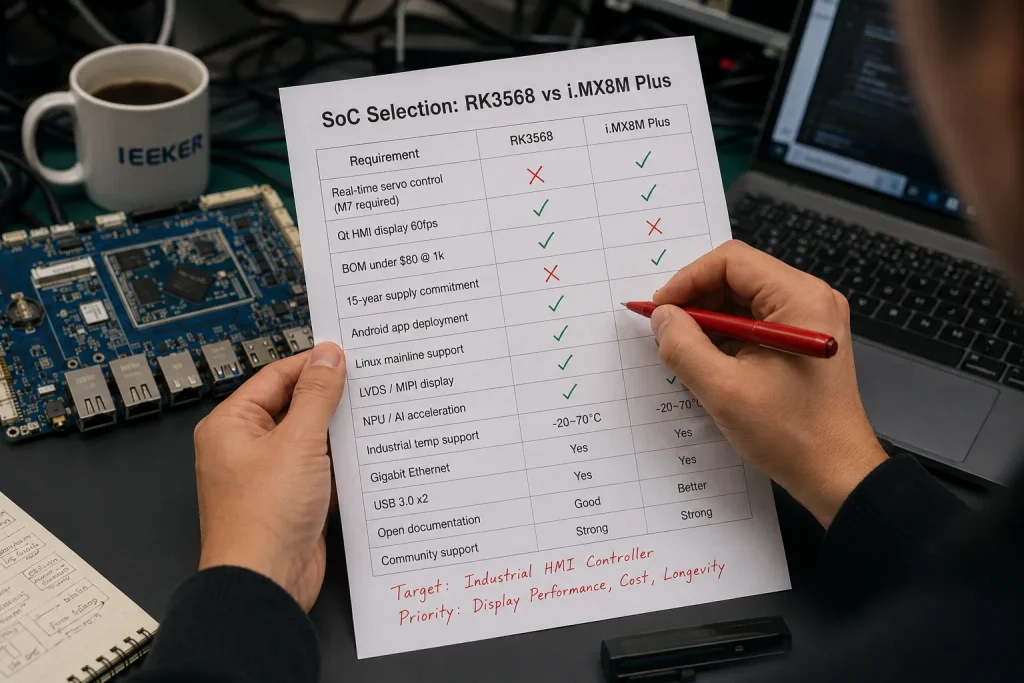
Руководство по принятию решений: когда выбирать ту или иную платформу
Выберите плату разработчика RK3568, если:
- Ваша заявка является Панель HMI или дисплейный терминал — Графический процессор Mali-G52 обеспечивает значительно более высокую производительность при работе с пользовательскими интерфейсами Qt Quick и Android по сравнению с GC7000UL
- Вам нужно более 2 одновременных выходов на дисплей — 4 выхода RK3568 позволяют реализовать конфигурации с двумя операторами, для которых на платформе i.MX8M Plus требуется отдельный SoC или HDMI-сплиттер
- Ваш проект — это Шлюз IoT, периферийное устройство искусственного интеллекта или сетевой видеорегистратор (NVR) — PCIe 3.0 ×2, два порта GbE, SATA и шина CAN без внешних микросхем
- Ваша команда использует Android или требуется надежный BSP для Android — Android 12 хорошо поддерживается и активно обновляется на RK3568; BSP для i.MX8M Plus под Android фактически заброшен
- Ваш Целевой показатель BOM составляет менее $90 на единицу при объеме 1 тыс. — Преимущество модели 30–40% в плане стоимости является реальным и стабильным
- Для вашего развертывания требуется Срок службы в полевых условиях — 5–7 лет с использованием промышленных плат RK3568J компании ieeker и системой управления запасами — без договорного обязательства по поставкам на 15 лет
Выберите i.MX8M Plus, если:
- Для вашей заявки требуется контуры управления в жестком режиме реального времени с частотой замыкания ≥1 кГц — сопроцессор Cortex-M7 с выделенной ОС реального времени — единственно верное решение
- Ваш продукт должен соответствовать IEC 61508, DO-178C или ISO 26262 Сертификация функциональной безопасности — компания NXP предоставляет предварительно сертифицированные библиотеки безопасности, а процессор M7 обеспечивает необходимую изолированную среду выполнения
- Ваш конечный клиент или регулирующий орган требует письменного обязательства о поставках на 15 лет — Программа «Долговечность» от NXP — единственный договорный вариант в этом ценовом диапазоне
- Ваша команда — это Yocto-first а также сборка для получения европейских промышленных сертификатов, где в качестве правильного пути сборки используется официальный Yocto-слой NXP meta-imx
- Для вашей заявки требуется более высокая пропускная способность NPU (2,3 против 1,0 TOPS) для инференса многопотокового видео или работы с моделями большего размера без затрат и энергопотребления, характерных для RK3588
Пример проекта: Создание шлюза для многозонного мониторинга температуры на базе RK3568
Южнокорейской компании, занимающейся логистикой «холодовой цепи» для пищевых продуктов, потребовался многозонный шлюз для мониторинга температуры в сети холодильных складов — 24 датчика температуры и влажности на каждый шлюз с интерфейсом Modbus RTU, сотовая связь через M.2 LTE, 4,3-дюймовый локальный дисплей LVDS для отображения состояния зон и передача данных в облако AWS IoT Core по протоколу MQTT/TLS. Изначально инженерная команда компании планировала реализовать проект на базе SoM i.MX8M Plus, опираясь на опыт предыдущего проекта, с бюджетом в размере $85 на единицу оборудования.
После совместного анализа требований мы порекомендовали RK3568J по трем конкретным причинам: (1) в приложении не было требований к управлению в режиме реального времени — сопроцессор M7 стал бы неиспользуемым элементом, увеличивающим стоимость чипа; (2) локальный дисплей с интерфейсом LVDS и пользовательским интерфейсом состояния на базе Qt позволял в полной мере использовать преимущества графического процессора Mali-G52; (3) наличие в RK3568J двух портов GbE, SATA и PCIe M.2 устраняло необходимость в внешних модулях расширения, которые потребовались бы для i.MX8M Plus, чтобы обеспечить такое же количество интерфейсов.
Прототип был запущен в течение трёх недель с использованием нашей платы разработчика ieeker YKR-RK3568. Серийная заказная несущая плата была поставлена через восемь недель. Стоимость единицы при годовом объёме 300 штук: $74 — $11 ниже бюджета. Заказчик использовал увеличение маржи для добавления второго сотового модема в качестве резервного канала выхода, что позволило повысить показатель SLA по времени безотказной работы с 99,7% до 99,95% с автоматическим переключением на резервного оператора связи.
В настоящее время проект находится на втором году эксплуатации: установлено 580 шлюзов на шести складских объектах в Южной Корее и одном — во Вьетнаме. Показатель отказов в эксплуатации, связанных с аппаратной частью шлюзов: 0,171 TP3T (одна плата на 600 установленных), причем все отказы были вызваны повреждением разъемов в результате ударов вилочных погрузчиков, а не сбоями в работе электроники.
Платы разработчика ieeker RK3568 для промышленных проектов
Компания ieeker производит платы разработки и модули SoM на базе YKR-RK3568 для промышленного применения — с собственным производством по технологии SMT, проверенными BSP (Buildroot, Debian 11, Ubuntu 22.04, Android 12) и прямой линией технической поддержки по вопросам интеграции. Для проектов, переходящих с i.MX8M Plus или впервые оценивающих RK3568, мы поставляем оценочные платы в единичном количестве с полным доступом к SDK и можем предоставить чек-лист соответствия функциональности BSP по сравнению с вашей существующей платформой.
- ieeker YKR-RK3568: Два порта GbE, LVDS + MIPI DSI + eDP + HDMI, слот M.2 PCIe LTE, SATA III, шина CAN, RS-485. Доступны для тестирования в количестве от одной единицы. См. Страница продукта ieeker YKR-RK3568.
- ieeker YKR-RK3568 SoM + нестандартная несущая плата: Для программ OEM, требующих нестандартного форм-фактора или компоновки интерфейса. Стоимость разработки (NRE) — от $4,000, серийное производство — от 50 единиц. См. Руководство по проектированию заказных плат.
Для проектов, в которых вычислительной мощности RK3568 недостаточно — например, для пограничного ИИ-вывода с частотой 30+ кадров в секунду, обработки видео в формате 8K или аналитики с использованием нескольких камер — ознакомьтесь с нашим Плата разработки RK3588 который сохраняет ту же экосистему интерфейсов и тот же рабочий процесс BSP при производительности NPU, в 6 раз превышающей исходную.
Рассматриваете возможность использования RK3568 или i.MX8M Plus в своём проекте?
Сообщите нам свои требования к интерфейсу и тип приложения — в течение 24 часов мы предоставим вам рекомендацию по выбору платы и сравнение функций BSP.
→ Заказать оценочную плату RK3568 →Часто задаваемые вопросы
RK3568 работает быстрее, чем i.MX8M Plus?
В тестах производительности однопоточных и многопоточных процессоров ядра Cortex-A55 с тактовой частотой 2,0 ГГц в RK3568 демонстрируют незначительное превосходство над i.MX8M Plus с ядрами Cortex-A53, работающими на частоте 1,8 ГГц — примерно на 10–15% выше производительность в однопоточном режиме. Производительность графического процессора значительно выше на RK3568 (Mali-G52 против GC7000UL). Пропускная способность NPU выше у i.MX8M Plus (2,3 TOPS против 1,0 TOPS). Задержка в режиме реального времени лучше у i.MX8M Plus благодаря выделенному сопроцессору Cortex-M7. Понятие «быстрее» полностью зависит от того, какую рабочую нагрузку вы измеряете.
Может ли RK3568 заменить i.MX8M Plus в существующей конструкции?
Для приложений, не предъявляющих строгих требований к работе в режиме реального времени и не требующих заключения 15-летнего контракта на поставку, ответ положительный — как правило, на перенос BSP уходит 6–10 недель (обновление панели DTS, проверка драйверов периферийных устройств, перекомпиляция приложения и тестирование). Основные области интеграции: настройка синхронизации дисплея (узел панели DTS), драйверы промышленных интерфейсов (CAN, RS-485) и перекомпиляция приложения для ARM Linux (та же архитектура, простая перекомпиляция). Миграция на Android требует дополнительной работы по проверке BSP.
Поддерживает ли i.MX8M Plus Android?
Компания NXP предоставляет BSP для Android на базе i.MX8M Plus, однако он не поддерживается в качестве основной платформы — основным направлением развития встроенного программного обеспечения NXP является Yocto Linux. Android на i.MX8M Plus пригоден для базовых развертываний, но значительно отстает от BSP Android 12 для RK3568 с точки зрения оптимизации драйверов графического процессора, совместимости приложений и частоты обновлений BSP. Для приложений, ориентированных в первую очередь на Android (киоски, планшеты, цифровые вывески), RK3568 является правильным выбором.
Что на практике означает 15-летняя программа гарантии компании NXP?
Программа обеспечения долговечности компании NXP представляет собой договорное обязательство, согласно которому производство SoC i.MX8M Plus будет продолжаться, а продукт будет доступен для приобретения в течение как минимум 15 лет с даты его запуска на рынок. Это подтверждается в письменной форме и может быть указано в документации по продукту при подаче заявок в FDA на медицинские устройства, в пакетах документов для сертификации по стандарту DO-178C в аэрокосмической отрасли, а также в контрактах в сфере промышленной автоматизации, где конечные заказчики требуют документального подтверждения непрерывности цепочки поставок. Данная программа не гарантирует цену — только доступность.
Что лучше для шлюза IoT — RK3568 или i.MX8M Plus?
RK3568 для большинства приложений, связанных с шлюзами IoT. RK3568 изначально поддерживает: два порта GbE (с разделением LAN/WAN), PCIe 3.0 ×2 (для модема 4G/5G), SATA III (SSD для локального архива данных), две шины CAN и три UART для RS-485 Modbus. i.MX8M Plus поддерживает два порта GbE с TSN (полезно для сетей с жесткими временными ограничениями в приложениях промышленного Ethernet) и CAN-FD ×2, но не имеет SATA и оснащен только одной линией PCIe 3.0. Для удалённого мониторинга, хранилищ данных и шлюзов пересылки данных в облако по протоколу MQTT RK3568 выигрывает по широте набора интерфейсов и стоимости. Для промышленных Ethernet-шлюзов, требующих именно TSN или CAN-FD, преимущество имеет i.MX8M Plus. См. наш Руководство по использованию шлюза IoT на базе RK3568 для ознакомления с полной архитектурой развертывания.
Что такое CAN-FD и имеет ли это значение для моего приложения?
CAN-FD (CAN с гибкой скоростью передачи данных) расширяет возможности классического протокола CAN 2.0 за счёт более высоких скоростей передачи данных (до 8 Мбит/с по сравнению с 1 Мбит/с у CAN 2.0) и более длинных кадров данных (до 64 байт по сравнению с 8 байтами). i.MX8M Plus поддерживает CAN-FD; RK3568 поддерживает только CAN 2.0. CAN-FD важен для приложений, подключающихся к современным датчикам автомобильного происхождения, новым промышленным исполнительным механизмам Bosch или Beckhoff, использующим CAN-FD, или любым полевым устройствам, передающим большие периодические объемы данных. Для устаревшего промышленного оборудования, использующего классический CAN 2.0 (подавляющее большинство установленной базы), поддержки CAN 2.0 в RK3568 вполне достаточно.
Источники и ссылки
- i.MX 8M Plus: машинное обучение и компьютерное зрение на периферии — NXP Semiconductors
- Rockchip против NXP — подробный анализ для команд разработчиков — Сообщество DEV
- RKNN-Toolkit2 — SDK для инференции на NPU Rockchip — GitHub
- Среда разработки eIQ ML для i.MX — NXP
- Проект Yocto — Википедия
- CAN-шина / CAN-FD — Википедия