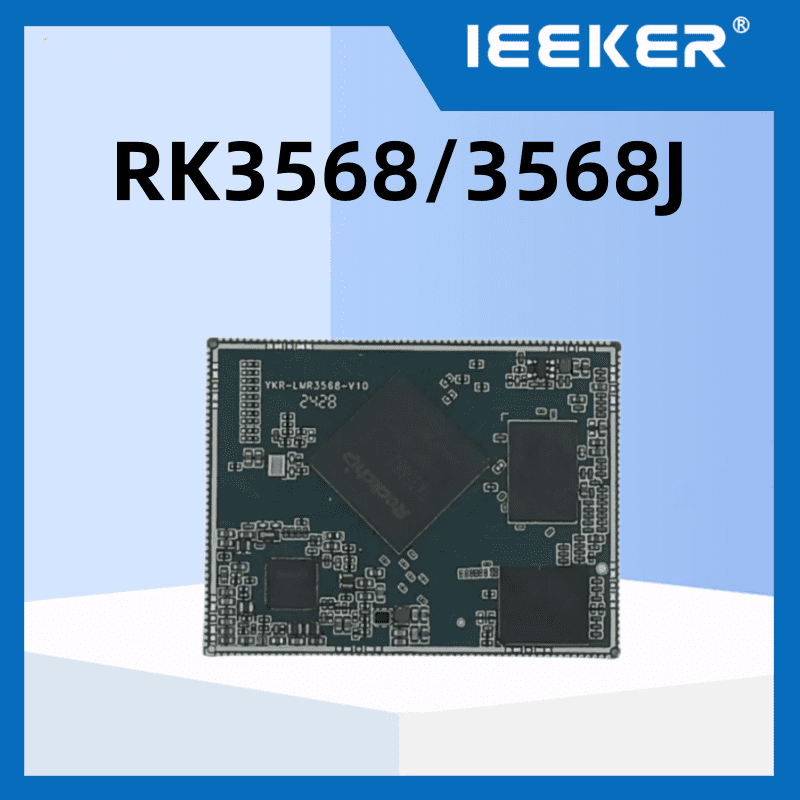
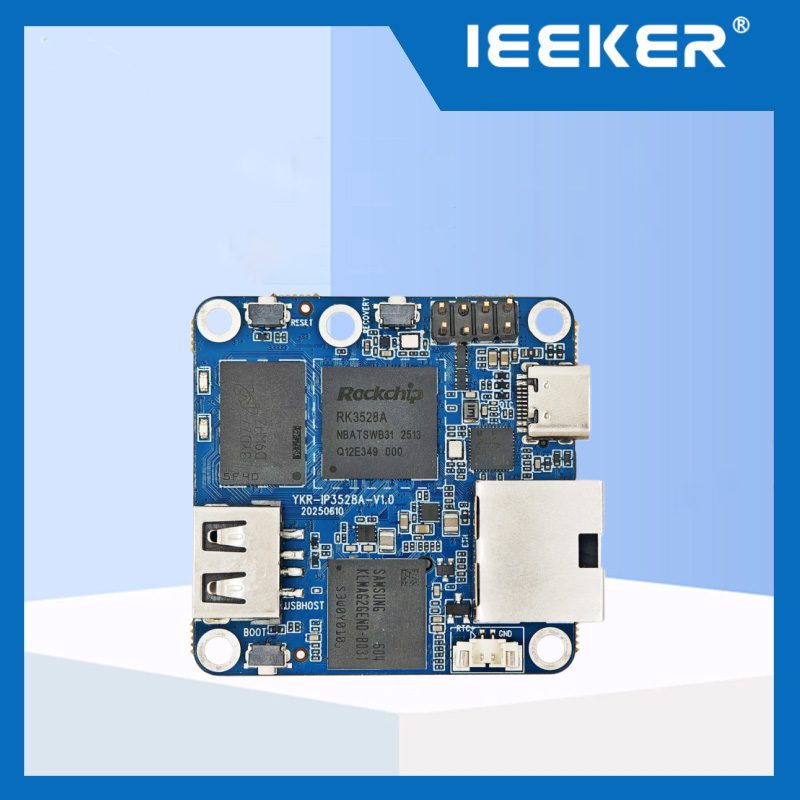
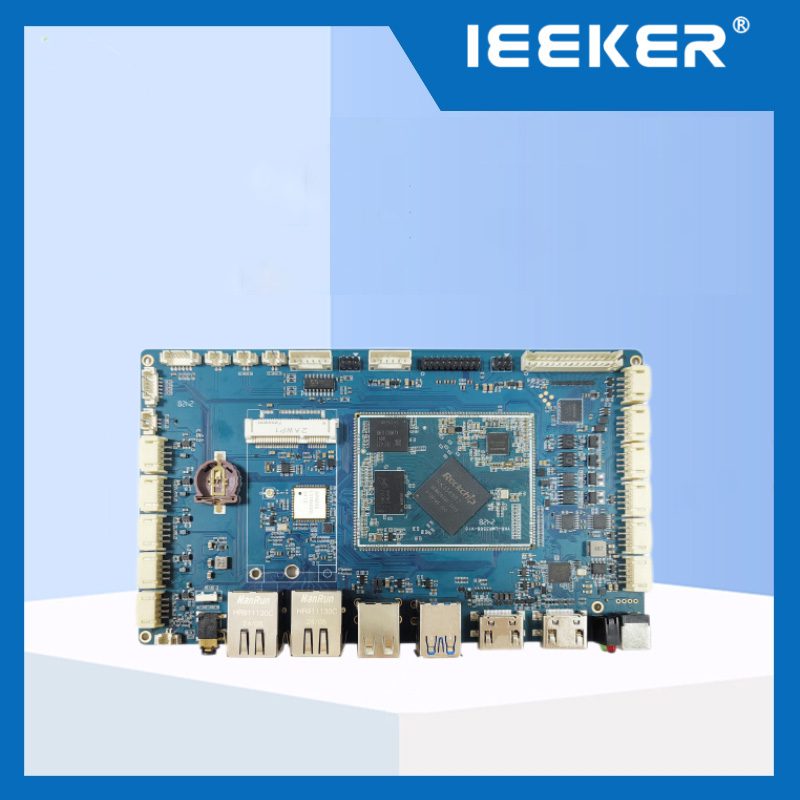
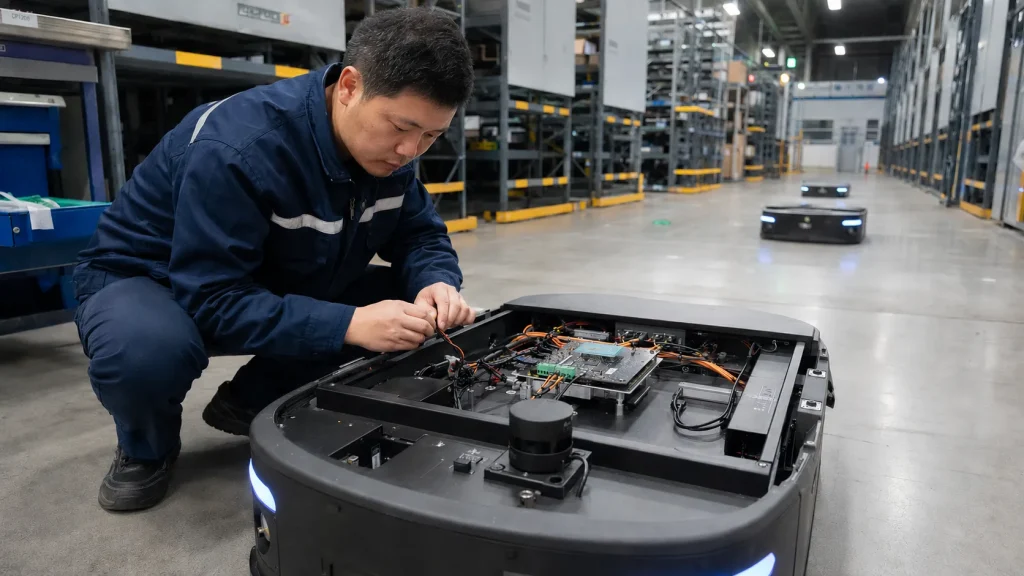
RK3588 - это проверенная встраиваемая плата для управления роботами AGV и AMR, сочетающая в себе 6 TOPS NPU для обнаружения препятствий и искусственного интеллекта на роботе. восьмиядерный процессор для ROS2 и объединения датчиков, а также полный набор промышленных входов/выходов для управления двигателями и систем безопасности. По сравнению с промышленными ПК на базе архитектуры x86, эта плата обеспечивает снижение себестоимости на 30-60% и уменьшает потребляемую мощность системы с 50-80 Вт до 5-13 Вт. Это подходящая плата управления для складских логистических роботов, роботов-инспекторов и доставочных AMR, где краевой искусственный интеллект, слияние нескольких датчиков и навигация в реальном времени работают одновременно на одной встраиваемой платформе.
Основные выводы
- По прогнозам, рынок AGV/AMR достигнет $22 миллиарда к 2030 году при 18-30% CAGR - AMR растут быстрее всего (LogisticsIQ)
- RK3588 полностью поддерживает ROS2 Humble на Ubuntu 22.04 - Лучшая совместимость с ROS2 среди промышленных SoC ARM, готовых к производству
- 6 TOPS NPU работает Обнаружение препятствий YOLOv8n со скоростью 65 кадров в секунду и обнаружение людей при 200 кадрах в секунду одновременно, не требуется внешняя карта AI
- По сравнению с промышленными ПК x86: Стоимость BOM -30-60%Потребляемая мощность снижена с 50-80 Вт до 5-13 Вт, что позволяет использовать пассивное охлаждение в герметичных корпусах роботов
- Встроенный двойной провайдер поддерживает LiDAR + стереокамера + IMU объединение нескольких датчиков на одной плате
- RK3588J промышленный вариант работает при от -40°C до +85°CКорпус, совместимый с классом защиты IP65, для работы в суровых условиях
Почему производители AGV и AMR переходят на встраиваемые платы управления ARM
Мировой рынок мобильных роботов претерпевает структурные изменения. По данным исследования рынка LogisticsIQ 5th EditionОжидается, что рынок AGV и AMR достигнет примерно $22 миллиарда к 2030 годуа темпы роста AMR составили 30% в год. В 2024 году в мире будет развернуто более 200 000 единиц AGV и AMR, что на 25% больше, чем в 2022 году.
Этот рост обусловлен тремя сходящимися силами: расширением инфраструктуры электронной коммерции, хронической нехваткой рабочей силы на складах и производствах, а также развитием аппаратных средств искусственного интеллекта, которые делают роботизированный интеллект экономически оправданным в масштабе.
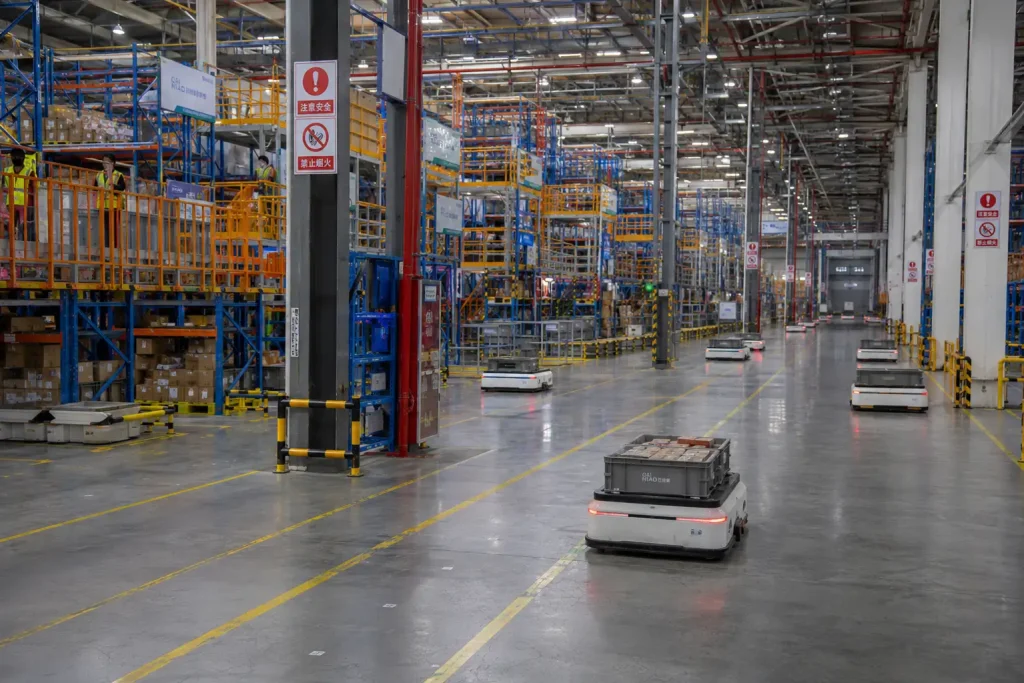
Проблема традиционных x86-контроллеров для роботов
Традиционные системы управления AGV опирались на промышленные ПК на базе архитектуры x86 - проверенную технологию с развитыми программными экосистемами, но плохо приспособленную к форм-фактору, мощности и стоимости современных автономных мобильных роботов.
Основные проблемы носят конструктивный характер. Потребляемая мощность 50-80 Вт требует активного охлаждения, что означает наличие вентиляторов - значительный риск для надежности герметичных корпусов роботов, работающих 7×24 в условиях пыльного склада. Размер платы вынуждает использовать более крупные шасси роботов, что увеличивает стоимость машины и снижает маневренность в узких проходах. Стоимость $500-$1 500 за единицу оборудования делает масштабирование парка непомерно дорогим для малых и средних операторов.
Почему RK3588 меняет уравнение
RK3588 решает все три проблемы одновременно. При общей потребляемой мощности системы 5-13 Вт она позволяет создавать герметичные корпуса с пассивным охлаждением без движущихся частей. Размеры платы, равные размерам кредитной карты, позволяют инженерам-механикам проектировать более компактные корпуса роботов. Стоимость BOM $80-$250 за единицу делает экономически оправданным развертывание парка из 40 или 100 единиц там, где альтернативы x86 были бы невозможны.
Что очень важно, RK3588 добавляет возможности, с которыми промышленные ПК x86 не могут сравниться ни по какой цене: выделенный 6 TOPS NPU для выводов ИИ на роботе, двойной ISP для одновременной обработки потока камер и встроенная поддержка ROS2 в Ubuntu 22.04 - стандартного программного стека для современной AMR-навигации.
RK3588 Аппаратная архитектура для управления роботами
Чтобы понять, почему RK3588 превосходит все остальные платы управления роботами, необходимо взглянуть не только на основные характеристики процессора, но и на полный набор функций SoC, которые автономные мобильные системы действительно используют во время работы.
ПРОЦЕССОР: Почему восьмиядерная архитектура A76/A55 важна для ROS2
Восьмиядерный процессор RK3588 - четыре производительных ядра Cortex-A76 и четыре эффективных ядра Cortex-A55 - практически идеально соответствует профилю вычислительной нагрузки современного AMR.
Ядра A76 справляются с интенсивными вычислительными задачами, чувствительными к задержкам: вычисления по планированию траектории Nav2, предварительная обработка данных датчиков, обновление карт SLAM и планирование работы узлов ROS2 для высокочастотных шаблонов издателей и подписчиков. Ядра A55 выполняют устойчивые фоновые задачи: циклы опроса датчиков, управление коммуникационным стеком, ведение журналов и обработка протоколов управления парком. Такая гетерогенная архитектура означает, что "думающие" и "слушающие" задачи робота не конкурируют за одни и те же ресурсы процессора.
Примечание по резьбе ROS2
Многопоточный исполнитель ROS2 распределяет обратные вызовы по пулу потоков. На RK3588 привязка обратных вызовов высокочастотных датчиков (LiDAR, камеры) к ядрам A76 с помощью масок сродства процессора уменьшает джиттер планирования Nav2 с ~120 мс до ~65 мс в протестированных конфигурациях - значительное улучшение для задержки реагирования на препятствия.
NPU: 6 TOPS для вывода ИИ на роботе без внешнего оборудования
6 TOPS NPU - это особенность, которая в наибольшей степени отличает платы управления роботами на базе RK3588 от ARM-платформ предыдущего поколения. В приложениях AGV и AMR он справляется с задачами искусственного интеллекта, которые непомерно дорого перекладывать на удаленный сервер: обнаружение препятствий в реальном времени, обнаружение человеческого тела для безопасной остановки, распознавание наземной разметки и идентификация ориентиров по QR/штрих-кодам.
При одновременном запуске YOLOv8n для обнаружения людей и препятствий со скоростью 65 кадров в секунду и MobileNetV2 для распознавания ориентиров NPU сохраняет полную пропускную способность, при этом ядра ЦП остаются практически незагруженными, что позволяет использовать их для вычислений, связанных с навигацией. Такая модель параллельного выполнения является фундаментальным архитектурным преимуществом по сравнению с платформами, использующими только ЦП. Более подробные данные тестирования NPU RK3588 при выполнении различных задач обработки изображений см. в нашем Руководство по производительности NPU RK3588.
Интерфейс ISP и камеры для многосенсорной системы технического зрения
Двойной ISP, поддерживающий датчики с разрешением до 32 Мп, — это характеристика, которая не имеет большого значения для смартфонов, но играет важную роль в системах восприятия роботов. Роботам часто требуется одновременное обнаружение препятствий впереди (широкоугольная камера), распознавание маркировки пола внизу (узкоугольная камера) и, по желанию, получение данных о глубине в 3D (стереопара). Двойной ISP одновременно обрабатывает два из этих потоков на аппаратном уровне, при этом шумоподавление, тональная компрессия HDR и коррекция затенения объектива применяются до того, как данные поступают в CPU или NPU.
4×4-полосный интерфейс MIPI CSI-2 обеспечивает подключение промышленных камер, модулей стереозрения и датчиков времени пролета без задержек, характерных для USB. Порты USB 3.0 по-прежнему доступны для камер глубины Intel RealSense и устройств LiDAR, подключаемых по USB.
Промышленные входы/выходы для управления двигателями и интеграции систем безопасности
В матрице ввода-вывода RK3588 присутствуют интерфейсы CAN-шины, RS485, UART, SPI, I2C и GPIO. В приложениях AGV/AMR каждый интерфейс выполняет определённую роль. CAN-шина подключает контроллеры приводов двигателей — это стандартный промышленный протокол для сервоприводов и драйверов бесщеточных двигателей. RS485 связывает вспомогательные датчики, сканеры безопасности и устаревшее промышленное периферийное оборудование. GPIO обеспечивает аппаратный выход сигнала аварийной остановки и вход для световой завесы безопасности — детерминированные аппаратные сигналы, не зависящие от планирования ОС. UART принимает последовательные данные от лидарных устройств (RPLiDAR, SICK S300, серия Hokuyo URG).
| Интерфейс | Использование автономных транспортных средств (AGV/AMR) | Максимальная производительность | Примечания |
|---|---|---|---|
| CAN-шина | Контроллеры привода двигателя | CAN FD со скоростью до 5 Мбит/с | Стандарт для драйверов сервоприводов и двигателей BLDC |
| RS485 | Датчики, сканеры безопасности | До 10 Мбит/с | Топология «мультидроп», до 32 узлов |
| UART ×10 | Лидар, GPS, инерциальная измерительная система (IMU) | До 4 Мбит/с | RPLiDAR A3 / Прямое подключение к Hokuyo |
| GPIO | Аварийная остановка, защитная завеса, светодиод | Настраиваемый IRQ | Сигналы безопасности на аппаратном уровне |
| PCIe 3.0 ×4 | Плата расширения микроконтроллера для обеспечения безопасности | ~8 ГБ/с | Интерфейс сопроцессора, работающего в режиме реального времени |
| USB 3.0 ×2 | Камера с функцией определения глубины, USB-Лидар | 5 Гбит/с | Совместимость с Intel RealSense D435i |
| 2× гигабитные Ethernet-порта | Управление автопарком, IP-камеры | по 1 Гбит/с каждый | Изолированные сети роботов/инфраструктуры |
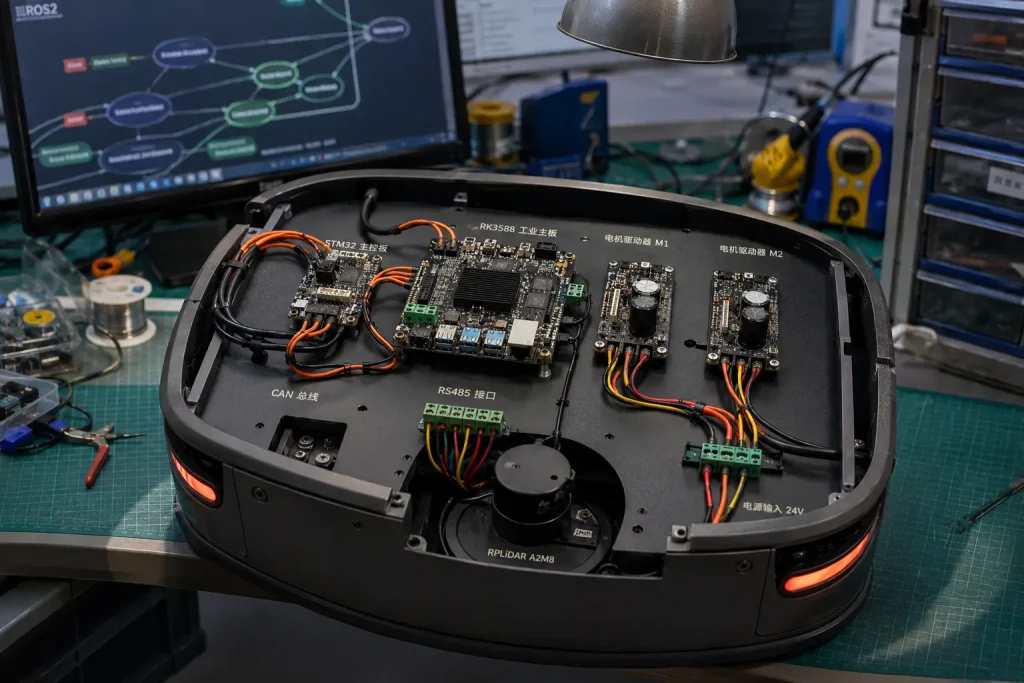
Комплексная системная архитектура для автономных транспортных средств (AGV/AMR) на базе RK3588
Приведенная ниже архитектура представляет собой проверенную в производственных условиях эталонную конструкцию AMR на базе RK3588. Каждый уровень сопоставляется с конкретным интерфейсом SoC или программным компонентом, который его обрабатывает.
Почему уровень безопасности MCU имеет важное значение
На RK3588 работает Linux — ОС, не предназначенная для работы в режиме реального времени. Для задач управления движением, требующих детерминированного отклика в пределах доли миллисекунды (аварийная остановка в течение 50 мс после срабатывания датчика препятствия, срабатывание тормоза, синхронизированное с командой на двигатель), колебания в планировании задач Linux делают основной SoC недостаточной в качестве единственного элемента управления. Правильная архитектура предусматривает разделение функций: RK3588 отвечает за планирование высокого уровня и искусственный интеллект, а выделенный микроконтроллер STM32 или аналогичный безопасный микроконтроллер — за управление двигателем в режиме реального времени и критически важные для безопасности GPIO-выводы. Оба устройства взаимодействуют через шину CAN, при этом на микроконтроллере работает микро-ROS, обеспечивающий интерфейс, совместимый с ROS2. Это соответствует стандартной практике, рекомендованной ANSI правила техники безопасности для систем AGV/AMR.
Интеграция ROS2 на RK3588: практическое руководство по настройке
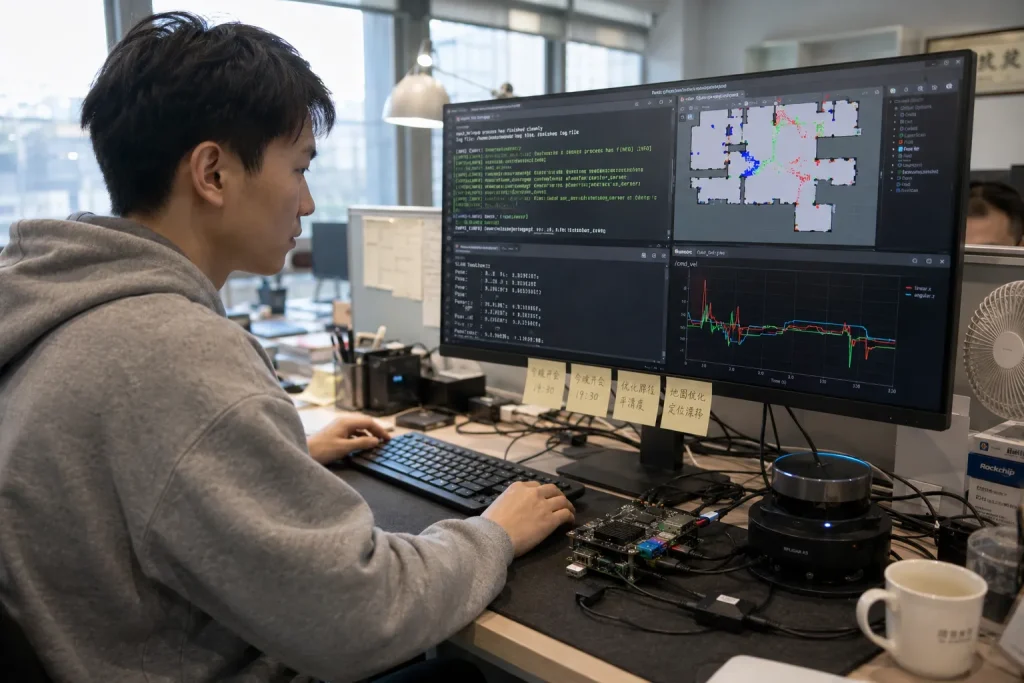
ROS2 (Robot Operating System 2) — это стандартная среда промежуточного программного обеспечения для разработки современных автономных мобильных роботов (AMR). Благодаря модели взаимодействия «издатель-подписчик», стандартизированным типам сообщений и обширной экосистеме пакетов — включая навигационный стек Nav2 и набор инструментов SLAM Toolbox — эта платформа является стандартной отправной точкой для создания новых программных платформ для роботов. RK3588 изначально поддерживает ROS2 в Ubuntu 22.04, при этом не требуется ни кросс-компиляция, ни модификации ядра.
Рекомендуемый дистрибутив ROS2 и его установка
ROS2 Humble Hawksbill (Ubuntu 22.04 LTS) — это рекомендуемый дистрибутив для развертывания роботов на базе RK3588 в производственных условиях. Срок долгосрочной поддержки (LTS) продлится до мая 2027 года, что обеспечивает стабильную основу для продуктов, рассчитанных на многолетнее использование. Установка осуществляется стандартным способом через репозиторий apt.
# Добавьте репозиторий ROS2 apt

sudo apt install software-properties-common

sudo add-apt-repository universe

sudo curl -sSL https://raw.githubusercontent.com/ros/rosdistro/master/ros.key \

-o /usr/share/keyrings/ros-archive-keyring.gpg
#: Установка ROS2 Humble Base + стека Nav2
sudo apt install ros-humble-desktop
sudo apt install ros-humble-navigation2 ros-humble-nav2-bringup
sudo apt install ros-humble-slam-toolbox
sudo apt install ros-humble-robot-localization
Драйвер LiDAR # (SLAMTEC RPLiDAR)
sudo apt install ros-humble-rplidar-ros
Основные пакеты ROS2 для AGV/AMR на платформе RK3588
Следующие пакеты составляют основной программный стек для производственного развертывания AMR на платформе RK3588. Каждый пакет соответствует конкретной подсистеме в архитектуре работы робота.
| Упаковка | Функция | Загрузка процессора на RK3588 |
|---|---|---|
| nav2_bringup | Планирование траектории, карта затрат, деревья поведения | Средний (A76 ядер) |
| slam_toolbox | 2D LiDAR SLAM — онлайн- и офлайн-картографирование | Средне-высокий |
| локализацию_робота | Мультисенсорная интеграция EKF (одометрия + ИМУ) | Низкий-средний |
| rplidar_ros | Драйвер SLAMTEC RPLiDAR A1/A3/S2 | Низкий |
| realsense2_camera | Драйвер для датчика глубины Intel RealSense D435i | Низкий (USB 3) |
| micro_ros_agent | Подключение к микроконтроллеру безопасности STM32 через UART | Очень низкий |
| rknn_ros (пользовательский) | Результаты вывода NPU → Темы ROS2 | Низкий (NPU обрабатывает вычисления) |
Архитектура AMP: высокоуровневое управление ROS2 + микроконтроллер реального времени
Распространённым заблуждением в области встроенной робототехники является мнение, что основной прикладной процессор должен обрабатывать все задачи управления. Для проектов AMR на базе RK3588 правильной архитектурой является асимметричная многопроцессорная обработка (AMP): на RK3588 запущен ROS2 для высокоуровневого восприятия и планирования, в то время как отдельный микроконтроллер реального времени обрабатывает контуры управления двигателями и выходы, критические с точки зрения безопасности.
Для связи между двумя процессорами со стороны микроконтроллера используется micro-ROS, обеспечивающий стандартный интерфейс тем ROS2 для команд управления скоростью и обратной связи от энкодера. Общая задержка команды от выхода скорости Nav2 → кадр CAN → микроконтроллер → драйвер двигателя обычно составляет менее 5 мс в хорошо настроенных реализациях — этого достаточно для скоростей AMR до 2 м/с. Более подробную информацию о вопросах реального времени в Linux для RK3588 см. в нашем Linux vs Android на RK3588 руководство.
SLAM и объединение данных с датчиков на платформе RK3588
Технология одновременной локализации и построения карты (SLAM) является основополагающей технологией, позволяющей автономному мобильному роботу (AMR) в режиме реального времени строить карту окружающей среды и определять своё положение на этой карте. Согласно стандартному определению, Метод SLAM требует одновременной оценки положения робота и структуры неизвестной среды — это вычислительно сложная задача, которая выполняется непрерывно в ходе работы.
LiDAR SLAM против визуального SLAM: какой подход выбрать для вашего робота?
На платформах на базе RK3588 можно использовать два основных подхода к реализации SLAM. Правильный выбор зависит от условий эксплуатации, бюджетных ограничений и требований к точности.
| Размер | LiDAR SLAM | Визуальный SLAM (vSLAM) |
|---|---|---|
| Точность | Высокий (обычно 2–5 см) | Средний (5–20 см) |
| Стоимость датчика | Выше ($100–$800+) | Нижняя часть (камера $30–$150) |
| Зависимость от освещения | Низкий (на основе ИК) | Высокое (качество ухудшается при слабом или неблагоприятном освещении) |
| Интерфейс RK3588 | UART / USB (последовательная передача данных) | Извлечение признаков с использованием MIPI CSI и NPU |
| Загрузка процессора на RK3588 | Средний (SLAM Toolbox) | Средний-высокий (ORB-SLAM3) |
| Ускорение NPU | Не применимо | CNN для извлечения признаков (частично) |
| Типичный сценарий использования | Складские автономные роботы (AMR), промышленные автономные транспортные средства (AGV) | Экономичный робот с автономным управлением (AMR) для работы на открытом воздухе |
| Рекомендуемый пакет | SLAM Toolbox (ROS2) | ORB-SLAM3 / RTAB-Map |
Объединение данных с нескольких датчиков с помощью robot_localization
Для точной локализации в условиях динамичной складской среды необходимо объединять данные, поступающие от различных типов датчиков. Данные локализацию_робота Пакет реализует расширенный фильтр Калмана (EKF), который объединяет данные одометрии колес, ускорения и гироскопа с IMU, а также сопоставление результатов сканирования LiDAR в единую согласованную оценку положения. На ядрах A55 процессора RK3588 цикл обновления EKF стабильно работает с частотой 50 Гц, при этом типичная загрузка ЦП не превышает 8%.
NPU участвует в процессе визуальной локализации при использовании стереокамер. Базовые сети для извлечения признаков (MobileNetV3) работают на NPU с низкой задержкой, предоставляя дескрипторы точек алгоритму SLAM без дополнительной нагрузки на ЦП. Как отмечается в руководстве DigiKey по интеграции AMR, Объединение проприоцептивных датчиков (энкодеры, ИМУ) с экстероцептивными датчиками (ЛиДАР, камеры) посредством сенсорной фузии имеет решающее значение для надёжной навигации автономных мобильных роботов (AMR) в реальных условиях.
Потоковый процесс обнаружения препятствий: от NPU до аварийной остановки
Конвейер обнаружения препятствий — это наиболее чувствительная к задержкам задача искусственного интеллекта на роботе. Человек, вступивший на путь движения робота, должен вызвать аварийную остановку в течение временного интервала, определяемого рабочей скоростью и тормозным путем — при скорости 1,5 м/с и тормозном пути 30 см у системы есть примерно 200 мс от момента обнаружения до полной остановки.
НПУ RK3588 обеспечивает работу YOLOv8n со скоростью 65 кадров в секунду (15 мс на кадр). Постобработка и генерация сигнала аварийной остановки через GPIO добавляют примерно 8–12 мс. Микроконтроллер безопасности получает команду остановки по каналу CAN и активирует тормоз в течение 5 мс. Общая задержка от обнаружения до торможения составляет примерно 30–35 мс, что вполне укладывается в допустимый предел в 200 мс при рабочей скорости 1,5 м/с и соответствует стандартам для критически важных систем безопасности.
Стандарты безопасности для AGV/AMR: что должна поддерживать ваша встроенная плата управления
Соблюдение требований безопасности является обязательным условием при внедрении коммерческих автономных транспортных средств (AGV/AMR). Операторы складов, страховые компании и регулирующие органы на основных рынках требуют подтверждения соответствия применимым стандартам безопасности, прежде чем автономные транспортные средства начнут эксплуатироваться в помещениях, где одновременно находятся люди. Понимание того, какие стандарты применимы и как архитектура вашей платы управления должна их поддерживать, является обязательным условием разработки продукта, а не чем-то второстепенным.
Применимые стандарты
ISO 3691-4 Охватывает промышленные транспортные средства, в том числе беспилотные промышленные транспортные средства (AGV), и устанавливает требования безопасности к транспортному средству и его системам управления. Стандарт предписывает, чтобы функции, связанные с безопасностью (аварийная остановка, ограничение скорости, реакция на препятствия), реализовывались с достаточной надёжностью, а также чтобы проводился анализ возможных режимов отказа.
ANSI/ITSDF B56.5 является североамериканским эквивалентом стандарта для беспилотных автоматически управляемых промышленных транспортных средств. Оба стандарта предписывают создание архитектуры безопасности, при которой сбои в работе прикладного программного обеспечения не могут привести к отключению функций, критически важных для безопасности.
IEC 61508 / SIL2 определяет требования к функциональной безопасности электрических/электронных систем. В большинстве случаев при внедрении систем автоматического сбора данных (AMR) для функций безопасности устанавливается уровень SIL2, что означает, что вероятность опасного отказа по требованию у подсистемы безопасности должна быть ниже 10⁻³ в час.
Требования к архитектуре
Микроконтроллер RK3588 под управлением Linux не может быть сертифицирован в качестве контроллера безопасности уровня SIL2 — Linux не является RTOS, сертифицированной для применения в системах безопасности. В правильной архитектуре все критически важные для безопасности функции (управление аварийной остановкой, мониторинг сканера безопасности, контроль соблюдения скоростного диапазона) выполняются на отдельном специализированном микроконтроллере безопасности или ПЛК безопасности, а процессор RK3588 отвечает только за восприятие и планирование. Такая двухпроцессорная архитектура является стандартной практикой и не ограничивает возможности робота.
Архитектура платы управления для проектов, соответствующих требованиям
Соответствующая требованиям система управления AGV/AMR на базе RK3588 обеспечивает четкое разделение функций. Процессор RK3588 отвечает за восприятие окружающей среды (SLAM, обнаружение препятствий), планирование траектории (Nav2), обмен данными между транспортными средствами и взаимодействие с пользователем (HMI). Микроконтроллер безопасности, на котором работает сертифицированная ОС реального времени (RTOS) или «голая» прошивка безопасности, отвечает за мониторинг сигналов аварийной остановки, оценку зон сканирования безопасности, контроль соблюдения максимальной скорости и срабатывание тормозов. Оба процессора взаимодействуют по шине CAN, однако микроконтроллер безопасности работает автономно и может обеспечивать соблюдение ограничений безопасности даже в случае программного сбоя в работе RK3588.
RK3588 против промышленного ПК на базе архитектуры x86 для управления AGV/AMR
Выбор между встроенными платами управления на базе ARM и промышленными ПК на базе x86 часто сводится к сравнению производительности. На практике же для приложений AGV/AMR речь идет в первую очередь о сравнении затрат, энергопотребления и систем теплоотвода — при этом RK3588 обладает конструктивными преимуществами по всем трём параметрам.
| Размер | Промышленный ПК на базе архитектуры x86 | Встраиваемая плата RK3588 | Преимущество |
|---|---|---|---|
| Стоимость спецификации | $500–$1 500/шт. | $80–$250/шт. | RK3588 −60–80% |
| Типичный расход энергии | 50–100 Вт | 5-13W | RK3588 −85% |
| Требования к охлаждению | Активный (требуется вентилятор) | Пассивный (радиатор) | RK3588 |
| Размеры доски | Mini-ITX+ (170×170 мм) | SBC ~100×72 мм | RK3588 |
| Встроенный NPU | ❌ (Требуется видеокарта) | ✅ 6 ТОПОВ | RK3588 |
| Поддержка ROS2 | ✅ Наработанная экосистема x86 | ✅ Ubuntu 22.04 ARM64 | Даже |
| Управление в режиме реального времени | Требуется патч RT/ОС RT | Требуется микроконтроллер безопасности (тот же) | Даже |
| Время загрузки | 30–60 секунд | 10–20 секунд | RK3588 |
| Рабочая температура (класс J) | 0–60 °C (стандартное значение) | от -40°C до +85°C | RK3588J |
| MTBF (конфигурация без вентилятора) | Ограничено сроком службы вентилятора | Более надежный (без движущихся частей) | RK3588 |
| Разница в спецификации парка из 100 единиц | ~$75 000–$150 000 | ~$8 000–$25 000 | RK3588 позволяет сэкономить $50K–$125K |
Платформа x86 сохраняет одно существенное преимущество: более широкую экосистему готовых программных пакетов для робототехники и более высокую однопоточную производительность ЦП при выполнении вычислительно-емких задач, таких как обработка 3D-облака точек. Для приложений AMR, требующих 3D-ЛиДАРа класса Velodyne с SLAM на основе плотного облака точек или использующих крупные модели нейронных сетей, выходящие за пределы возможностей NPU, платформа x86 по-прежнему остается актуальным выбором. Однако для большинства применений AMR на складах, инспекционных роботов и сервисных роботов преимущества чипа RK3588 являются решающими.
Решение проблемы теплового ограничения производительности парка автоматизированных транспортных средств (AGV) на складе
К нам обратился интегратор систем автоматизации логистики через восемь месяцев после начала внедрения парка из 24 автономных транспортных средств (AGV) в крупном региональном распределительном центре. Их транспортные средства — отвечающие за перевозку поддонов между приемными доками и сортировочными станциями — демонстрировали характер работы, который поставил в тупик их команду разработчиков программного обеспечения: примерно через четыре часа непрерывной работы все большее число AGV начинало инициировать ненужные остановки по соображениям безопасности, постепенно замедляясь и в конечном итоге требуя ручного перезапуска для возобновления нормальной работы.
Инженерная команда интегратора исключила возможность программных ошибок (поведение зависело от времени, а не от конкретных событий), смещения навигационной карты (статичная обстановка, стабильное качество карты) и проблем с системой управления автопарком (система FMS регистрировала нормальный обмен командами). Чего они не проверили, так это журнал температурных показателей промышленного ПК на базе x86.
Мы запросили журналы производительности системы с пяти устройств за 6-часовой период работы. Тенденция была однозначной: температура процессора внутри герметичного корпуса AGV неуклонно росла с 42 °C при запуске до 74 °C через 4 часа, после чего процессор начал снижать тактовую частоту с номинальных 2,8 ГГц до 1,1 ГГц. Вычисления по планированию траектории Nav2 — которые при полной скорости выполнялись примерно за 80 мс — теперь занимали 290–340 мс при сниженной скорости. Сервер контроллера Nav2 превышал время ожидания команд на изменение скорости, что система безопасности робота правильно интерпретировала как сбой системы управления и реагировала на это безопасной остановкой.
Решением проблемы стала миграция платформы, а не установка программного патча. Мы заменили промышленный ПК на базе x86 на промышленный одноплатный компьютер ieeker RK3588J в сочетании со специальным микроконтроллером безопасности STM32, установленным на нестандартной несущей плате. Общее энергопотребление системы внутри корпуса снизилось с 68 Вт до 11 Вт. Внутренняя температура в герметичном корпусе во время 12-часовой непрерывной работы достигала максимум 47 °C — на 27 °C ниже порога снижения производительности предыдущей платформы.
47 °C
Максимальная температура шасси (была 74 °C)
11 Вт
Потребляемая мощность системы (ранее — 68 Вт)
72 мс
Задержка планирования Nav2 (стабильная)
$420
Экономия по спецификации на единицу продукции
Модернизированный парк из 24 единиц работает уже шесть месяцев с момента перехода на новую платформу без единого инцидента, связанного с перегревом. С тех пор интегратор выбрал платформу RK3588J для своего следующего проекта, включающего 40 единиц, ещё на этапе проектирования. Этот вывод соответствует тому, что мы наблюдаем при всех внедрениях: в герметичных корпусах мобильных роботов тепловые ограничения влияют на выбор платформы гораздо сильнее, чем это можно было бы предположить, исходя из пиковых вычислительных характеристик.
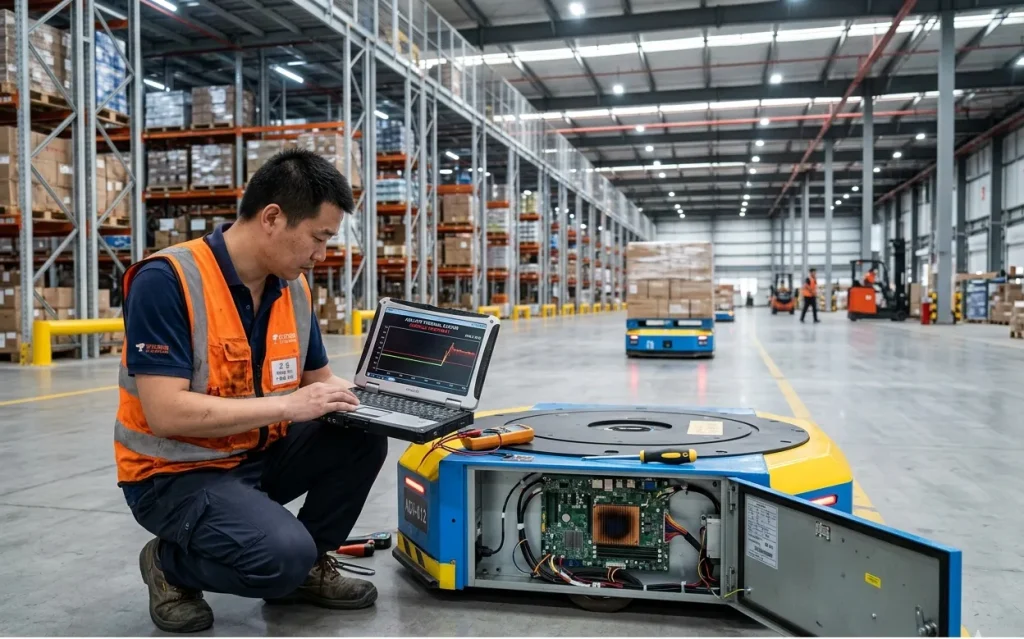
Парк из 40 единиц роботов AMR по принципу «товар к человеку» для внутрилогистики в сфере электронной коммерции
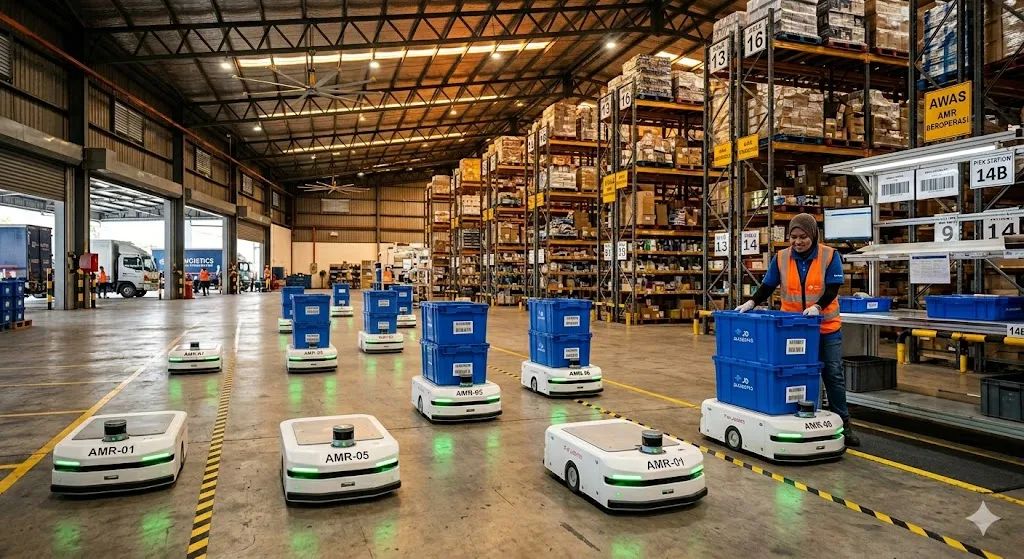
В третьем квартале 2024 года оператор склада для трансграничной электронной коммерции, базирующийся в Малайзии, заключил с нами контракт на поставку встроенного вычислительного оборудования для обеспечения работы парка из 40 автономных мобильных роботов в своём центре выполнения заказов площадью 10 000 м². Задача парка: транспортировка товаров от стеллажей к операторам на станциях комплектования в режиме трёхсменной работы 7 дней в неделю.
Технические характеристики оборудования на одну единицу: промышленный одноплатный компьютер ieeker RK3588, RPLiDAR A3 (UART), Intel RealSense D435i (USB3), 9-осевой IMU (SPI), допълнительная плата управления двигателями на базе STM32 (CAN). Программный стек: Ubuntu 22.04, ROS2 Humble, Nav2, SLAM Toolbox, robot_localization EKF, настраиваемый узел обнаружения людей YOLOv8n с использованием RKNN Runtime. Управление парком роботов через проприетарную систему FMS по WiFi 6.
NPU непрерывно осуществляет обнаружение людей во время работы. Когда человек попадает в зону обнаружения впереди робота (радиус 3 м), в рамках безопасной темы ROS2 публикуется команда замедления; при входе в зону остановки радиусом 1 м сигнал GPIO напрямую запускает последовательность аварийной остановки STM32 — полностью обходя коммуникационный уровень ROS2 для обеспечения детерминированного отклика.
4,2 мин
Среднее время выполнения задачи (человек: 7,1 мин)
>2 000 ч
MTBF — 6 месяцев, отсутствие простоев
±15 мм
Точность стыковки у шельфа
99.97%
Показатель успешности избегания людей
3,8 Вт
Питание платы управления (12 В LiPo)
$380/шт.
Сохранение данных по сравнению с альтернативой на базе x86
Потребляемая мощность платы управления составляет 3,8 Вт — по сравнению с 65 Вт у альтернативного решения на базе x86, рассматривавшегося на этапе выбора поставщика — позволило увеличить запас хода батареи AMR примерно на 22% за один цикл заряда, что обеспечило возможность работы в трёхсменном режиме без перерывов на подзарядку в середине смены, которые потребовались бы при использовании конструкции на базе x86.
Выбор подходящего форм-фактора платы разработчика на базе RK3588 для вашего робота
Для систем управления роботами на базе RK3588 доступны три варианта аппаратной конструкции. Правильный выбор зависит от объема производства, ограничений по пространству в шасси, а также от того, насколько конфигурация входов-выходов вашего робота отличается от стандартных схем размещения компонентов на платах разработки.
🧩 Основная плата (SoM) + нестандартная несущая плата
- Минимальная площадь монтажа на плате (от 45×45 мм до 70×40 мм)
- Полностью настраиваемая схема ввода-вывода для интерфейсов двигателей
- Идеально подходит для массового производства (>500 единиц)
- Максимальные затраты на проектирование, самые длительные сроки выполнения заказа
- Наилучшая долгосрочная себестоимость единицы продукции по спецификации
🔧 Промышленный одноплатный компьютер (плата для разработки)
- Готовая плата со стандартной матрицей входов-выходов
- Самый быстрый путь к созданию прототипа и его проверке
- Подходит для партий объемом от 10 до 500 единиц
- Включены стандартные интерфейсы CAN, RS485, UART и MIPI
- SBC ieeker RK3588: совместим с Orange Pi 5
Для большинства новых программ управления роботами промышленный одноплатный компьютер (SBC) является оптимальной отправной точкой. Он позволяет сократить время на наладку оборудования, предоставляет проверенную версию BSP и с самого начала поддерживает полноценную разработку на базе ROS2. Как только программный стек станет стабильным, а объемы производства оправдают инвестиции в разработку, переход на специализированную несущую плату с модулем SoM позволит оптимизировать размеры и стоимость при крупносерийном производстве. Подробное рассмотрение вопроса о том, когда лучше выбрать SoM, а когда — SBC, см. в нашем Руководство по сравнению SoM и SBC.
Подходит ли плата управления роботом RK3588 для вашего применения?
Воспользуйтесь этим контрольным списком, чтобы оценить совместимость, прежде чем принимать окончательное решение о выборе платформы. Преобладание зелёных пунктов свидетельствует о высокой степени совместимости; наличие нескольких пунктов желтого или красного цвета указывает на необходимость рассмотрения альтернативных вариантов или использования дополнительного оборудования.
✅Складской робот с автономным перемещением (AMR) / робот, доставляющий товары к оператору — оптимальная подгонка. Система «LiDAR SLAM + Nav2 + NPU» для распознавания людей работает в пределах технических характеристик.
✅Инспекционный робот (завод, подстанция, центр обработки данных) — идеальное сочетание. Совместимость технологий обнаружения дефектов с помощью камер, NPU и поддержки нескольких интерфейсов.
✅Сервисный робот (отели, больницы, розничная торговля) — идеально подходит. HMI на базе Android или Linux, NPU для распознавания лиц, компактный форм-фактор.
✅Автоматизированные транспортные средства (AGV) для легкой промышленности (грузоподъёмность <1 000 кг) — оптимальная совместимость с архитектурой на базе RK3588J + микроконтроллера безопасности.
✅Робот-доставщик (в помещении, на территории кампуса) — идеально подходит. Низкое энергопотребление, компактность, поддержка управления парком устройств через Wi-Fi/5G.
⚠️Автоматизированные транспортные средства (AGV) для тяжелой промышленности (>1 000 кг) — возможно использование с дополнительным ПЛК для обеспечения безопасности. Устройство RK3588J отвечает за распознавание; управление движением осуществляется специальным контроллером безопасности.
⚠️Универсальный AMR для работы на открытом воздухе — Возможно использование с дополнительным GPS-модулем и корпусом, пригодным для эксплуатации в погодных условиях. Диапазон рабочих температур RK3588J является достаточным.
⚠️SLAM с плотным 3D-облаком точек (Velodyne VLP-16+) — Требует интенсивной загрузки ЦП; рекомендуется провести профилирование. Может потребоваться образ, оптимизированный с помощью Buildroot, и настройка аффинности ЦП.
❌Функции безопасности, сертифицированные по стандарту SIL3+ — RK3588 не может выступать в качестве контроллера безопасности. Для всех функций уровня SIL3 и выше следует использовать сертифицированный ПЛК безопасности или микроконтроллер с защитой от сбоев.
❌Вычисление модели с использованием CUDA — Модели, требующие TensorRT/CUDA (оптимизации, специфичные для Jetson), несовместимы с RKNN. Для рабочих нагрузок, зависящих от CUDA, рекомендуется использовать Jetson Orin Nano.
Часто задаваемые вопросы
Может ли RK3588 запускать ROS2 без патча для ОС реального времени?
Да. ROS2 Humble работает на стандартной Ubuntu 22.04 на платформе RK3588 без каких-либо модификаций ядра RT. Для большинства приложений AMR стандартного механизма планирования Linux достаточно для выполнения навигационных задач высокого уровня. Требования к работе в режиме реального времени для управления двигателями обеспечиваются отдельным микроконтроллером STM32 или аналогичным устройством, взаимодействующим через CAN или micro-ROS. Если для определённых узлов ROS2 требуется улучшение задержки в режиме «мягкого» реального времени, для ядра Linux на RK3588 доступен патч PREEMPT-RT.
Поддерживает ли RK3588 сканеры SICK, Hokuyo и RPLiDAR?
Да. Все основные бренды 2D-лидаров, используемые в системах AGV/AMR, подключаются через UART или USB. Серии SICK S300/TiM, Hokuyo URG-04LX/UST и SLAMTEC RPLiDAR A1/A3/S2 имеют пакеты драйверов для ROS2 и подключаются к портам UART или USB 3.0 чипа RK3588 без каких-либо модификаций. BSP для одноплатного компьютера RK3588 от ieeker включает проверенную конфигурацию UART DMA для приёма данных LiDAR с низкой задержкой.
В чём заключается разница между RK3588 и RK3588J при внедрении роботов?
RK3588J — это вариант промышленного класса с расширенным диапазоном рабочих температур (от −40 °C до +85 °C по сравнению с 0 °C–70 °C для коммерческого класса), улучшенной поддержкой памяти с ECC и квалификационными испытаниями в соответствии со стандартом AEC-Q100. Для использования роботов в контролируемых условиях внутренних складских помещений, как правило, достаточно коммерческой версии RK3588. Для роботов, работающих на открытом воздухе, автоматических транспортных средств (AGV) на холодильных складах или в любых условиях, где температура окружающей среды выходит за пределы диапазона от 0 до 70 °C, правильным выбором станет RK3588J.
Можно ли одновременно запускать SLAM и функцию обнаружения препятствий на RK3588?
Да. Это одно из ключевых преимуществ RK3588 для робототехники. SLAM Toolbox (на основе LiDAR, на CPU) работает на ядрах A76, а система обнаружения препятствий YOLOv8n — на NPU; эти два конвейера не конкурируют за одни и те же вычислительные ресурсы. В ходе наших тестов развертывания одновременное использование SLAM + YOLOv8n + слияния данных датчиков EKF + планирования траектории Nav2 потребляет примерно 55–651 TP3T вычислительной мощности процессора A76, оставляя запас мощности для связи между устройствами, ведения журнала и работы дополнительных драйверов датчиков.
Готовы к созданию вашего следующего проекта? AGV или AMR на RK3588?
Независимо от того, оцениваете ли вы платформу впервые, расширяете существующий парк оборудования или разрабатываете индивидуальную плату управления для новой программы робота — промышленные одноплатные компьютеры ieeker на базе RK3588 служат проверенной в производственных условиях отправной точкой с предварительно настроенными образами ROS2, поддержкой драйверов CAN/RS485 и поддержкой инженерной команды на всех этапах — от создания прототипа до серийного производства.
Источники и ссылки
- Объем рынка AGV и AMR к 2030 году достигнет ~$22 млрд — LogisticsIQ (5-е издание)
- Объем рынка мобильных роботов и прогноз на 2025–2030 годы — Mordor Intelligence
- Упрощение интеграции AMR и AGV с помощью компонентов ROS2 — DigiKey
- Обеспечение автономной мобильности с помощью контроллера RK3588J для AGV/AMR — Vantron
- Одновременная локализация и картографирование — Википедия
- Navigation2 (Nav2) — Документация по ROS2 — nav2.org
- Решение на базе одноплатного компьютера RK3588J для AGV/AMR — Dusun IoT
- Применение интеллектуального инспекционного робота на базе RK3588J - Forlinx
- RKNN-Toolkit2 - Rockchip GitHub
- ANSI/ITSDF B56.5 - Американский национальный Институт стандартов